
The basement took on water. What matters now is the order of things.

Pump, dry, document, then protect. In that order, because whoever skips the last step starts over at the next big storm.
  • Fast pumpingand complete drying
  • Photos and invoicefor your claim
  • Monday to Friday8 a.m. to 5 p.m.
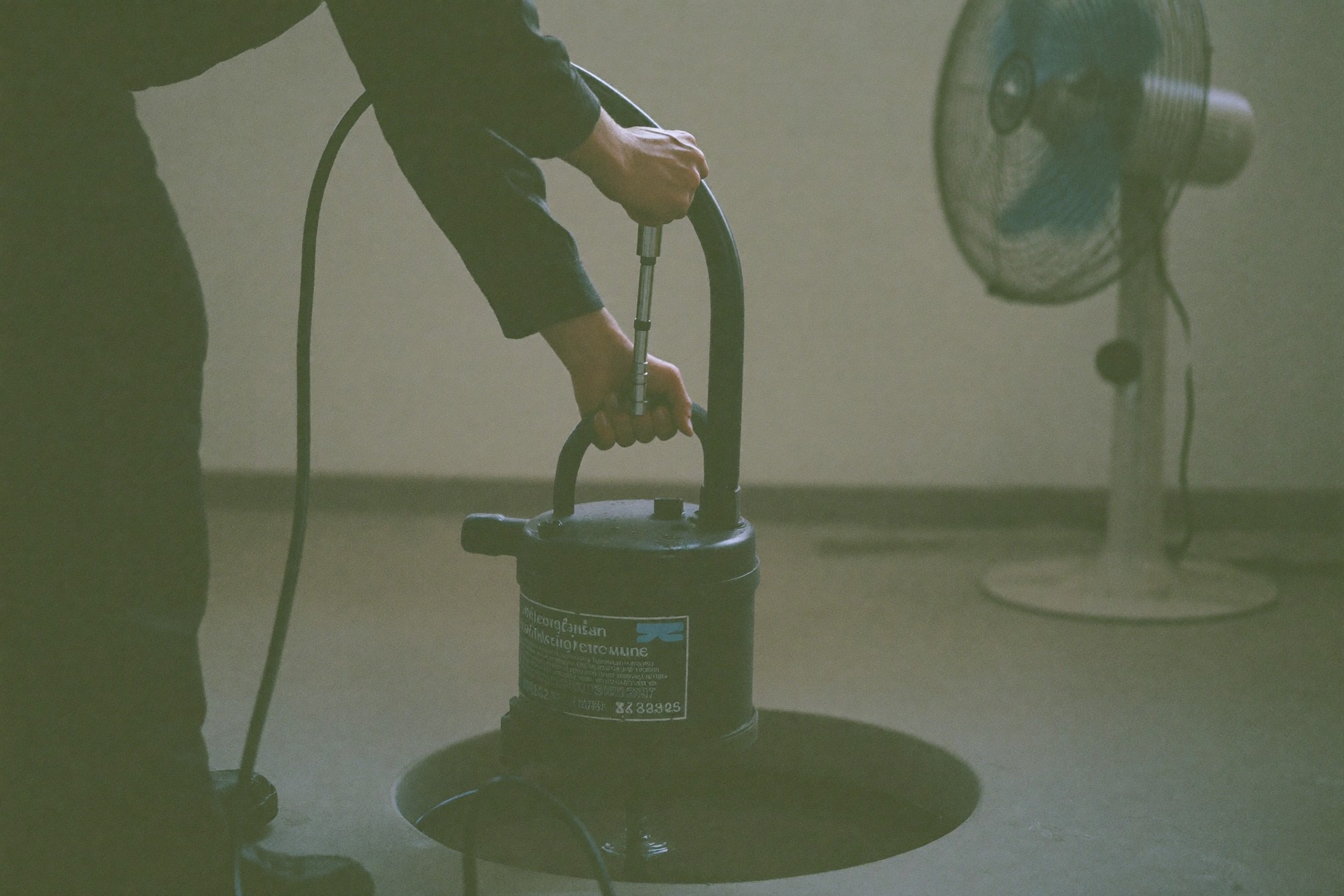
Sump pump in a basement after water damage
Sound familiar?

The water is gone, but the basement isn't back.

  • The boxes stored on the floor are soaked from underneath.
  • The carpet dried, but the smell stayed.
  • The bottom of the walls is darker than the rest, at a constant height.
  • The sump pump ran all night, or not at all.
  • It already happened once, and nobody told you why.

A basement that took on water once will take on water again, because the reason is still there: a clogged drain, a tired pump, a sewer backing up, or simply nothing to stop the water from coming back. Pumping takes care of the day; the rest takes care of the next ten years.
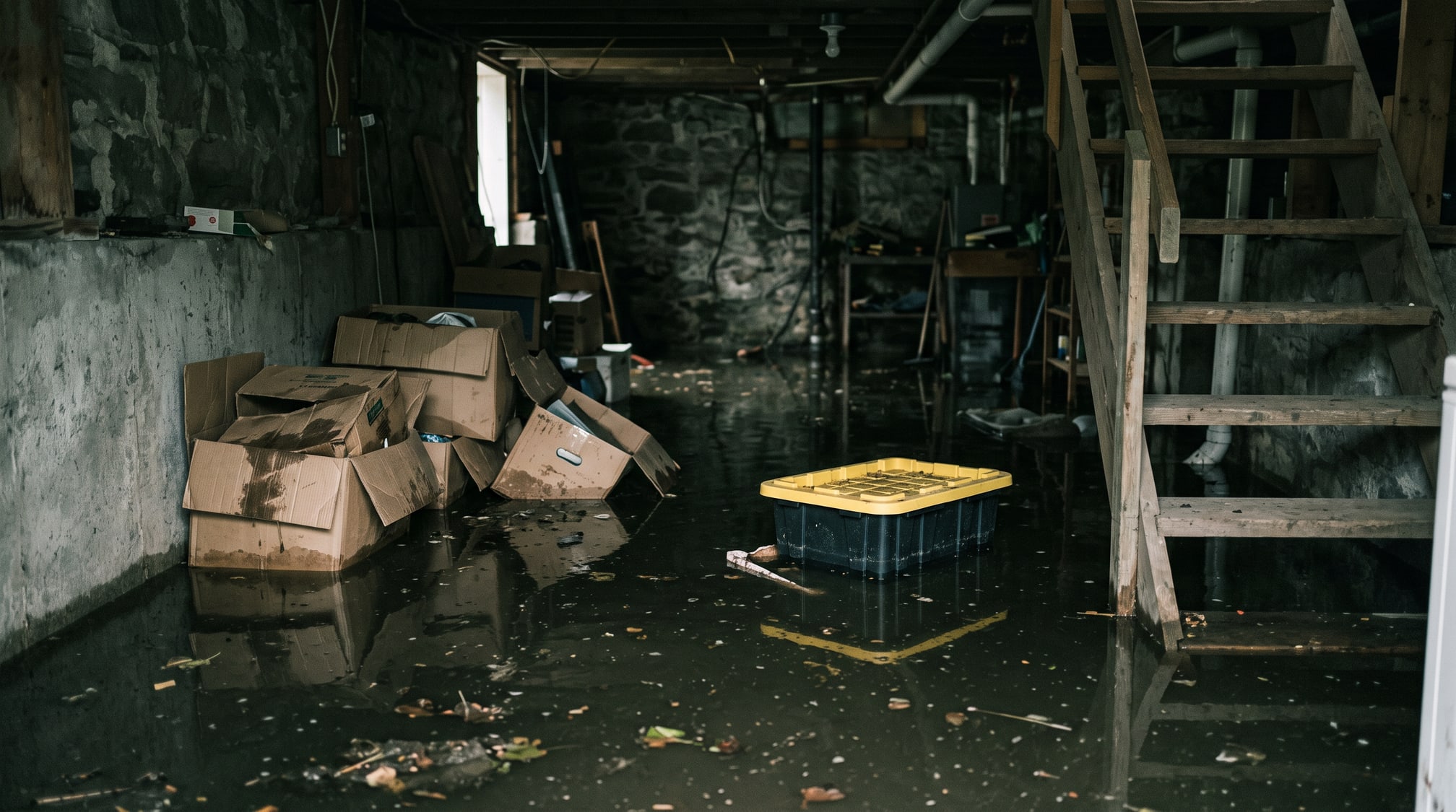
Flooded basement, boxes soaked at the water line
Before we arrive

Four steps, and the first is to do nothing.

  1. Don't go down into the waterAn outlet, a baseboard heater, an extension cord or an appliance sitting in water is enough to make the floor dangerous. Look from the stairs, and nothing more.
  2. Shut off the water if it's coming from insideBurst pipe, leaking water heater, washer hose: the main valve is in the basement, on the street side. If it's standing in water, don't go to it.
  3. Take photos before touching anythingThe water level, the items affected, the whole room. Once the basement is emptied, nobody will be able to show what was there.
  4. Call your insurer, then usIn that order. Some policies require notice before any work, and your claim starts with that call.

The order matters as much as the steps. Taking photos after cleaning up is taking photos of a clean floor.

Call us now →
What prevents a repeat

Four protections, to install once and for all.

A basement almost never floods out of bad luck: it floods because there was nothing to stop it. Here are the four pieces of equipment that make the difference, from the most common to the most discreet.
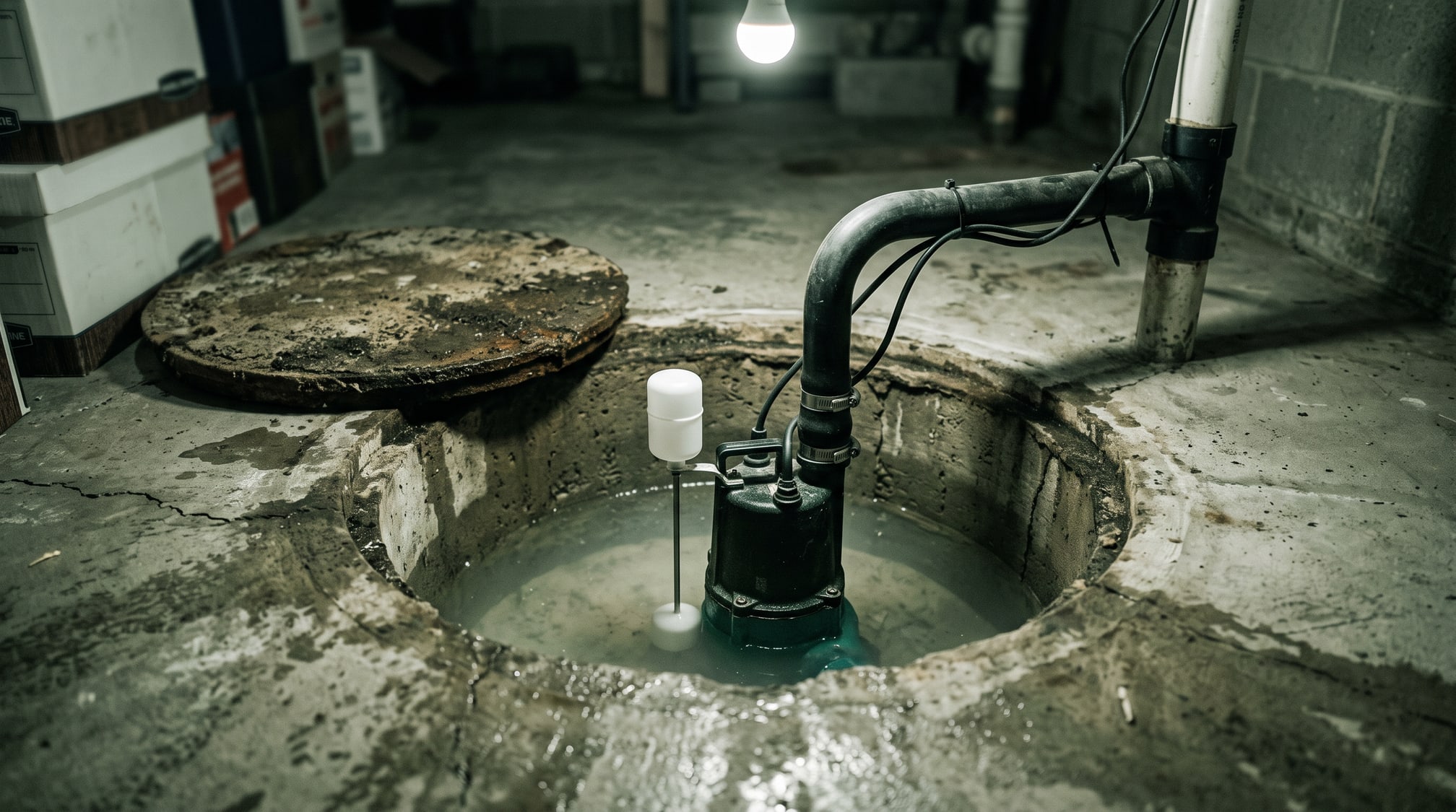
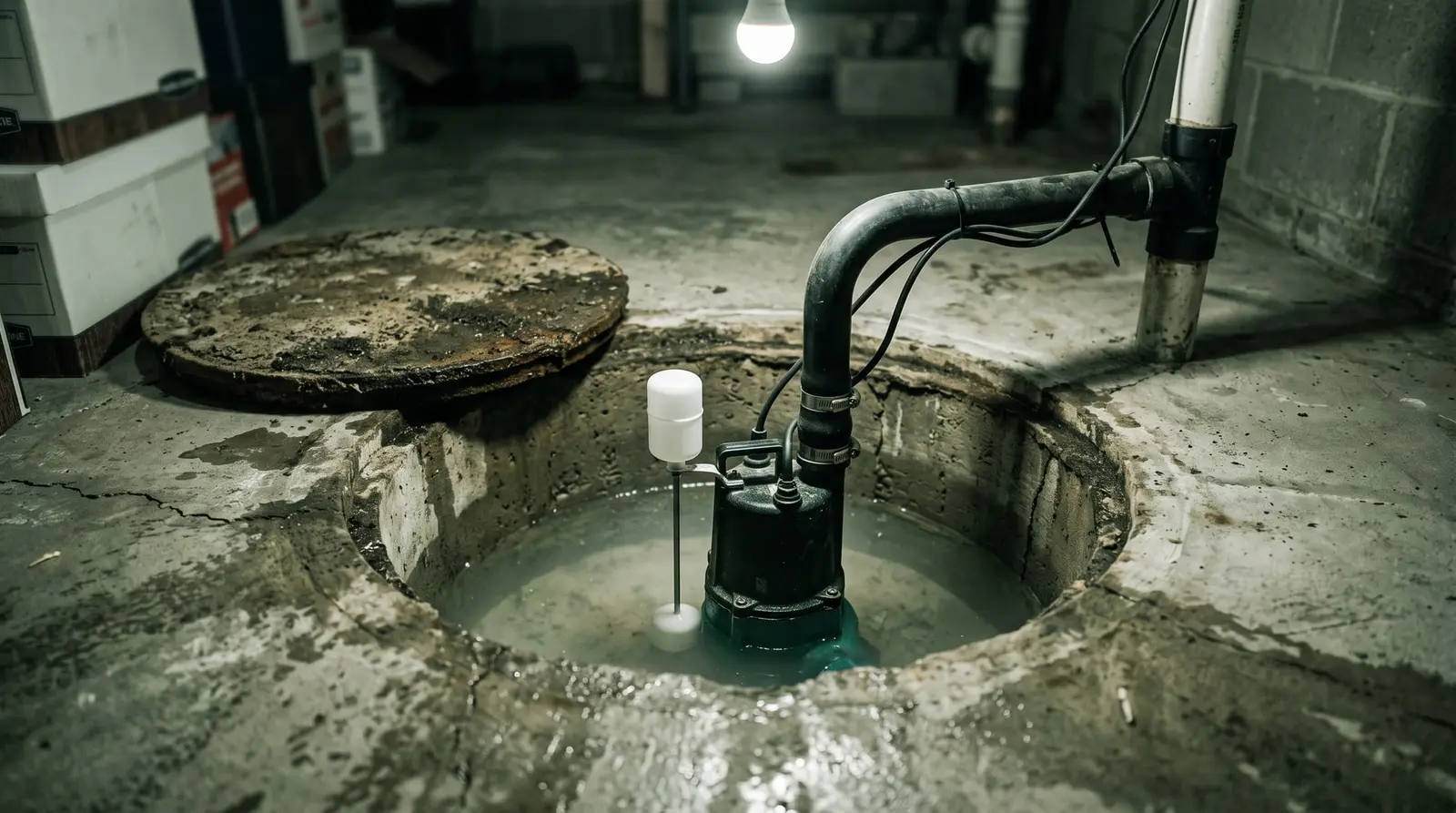
Submersible pump in a basement sump, pit open
The sump pump

It removes the water arriving at the bottom of the foundation before it reaches the slab. It's the first line of defence, and the one most often found at the end of its life.
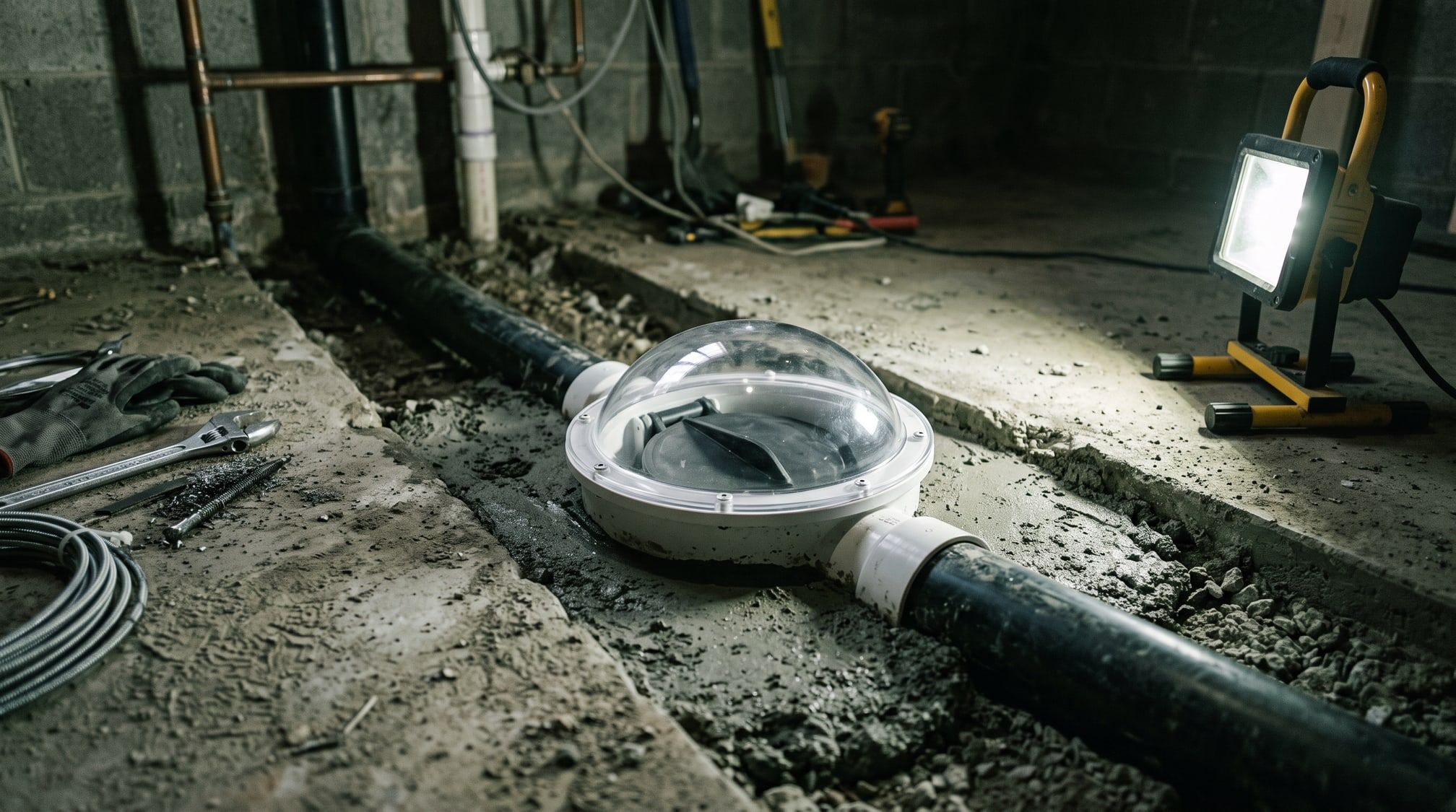
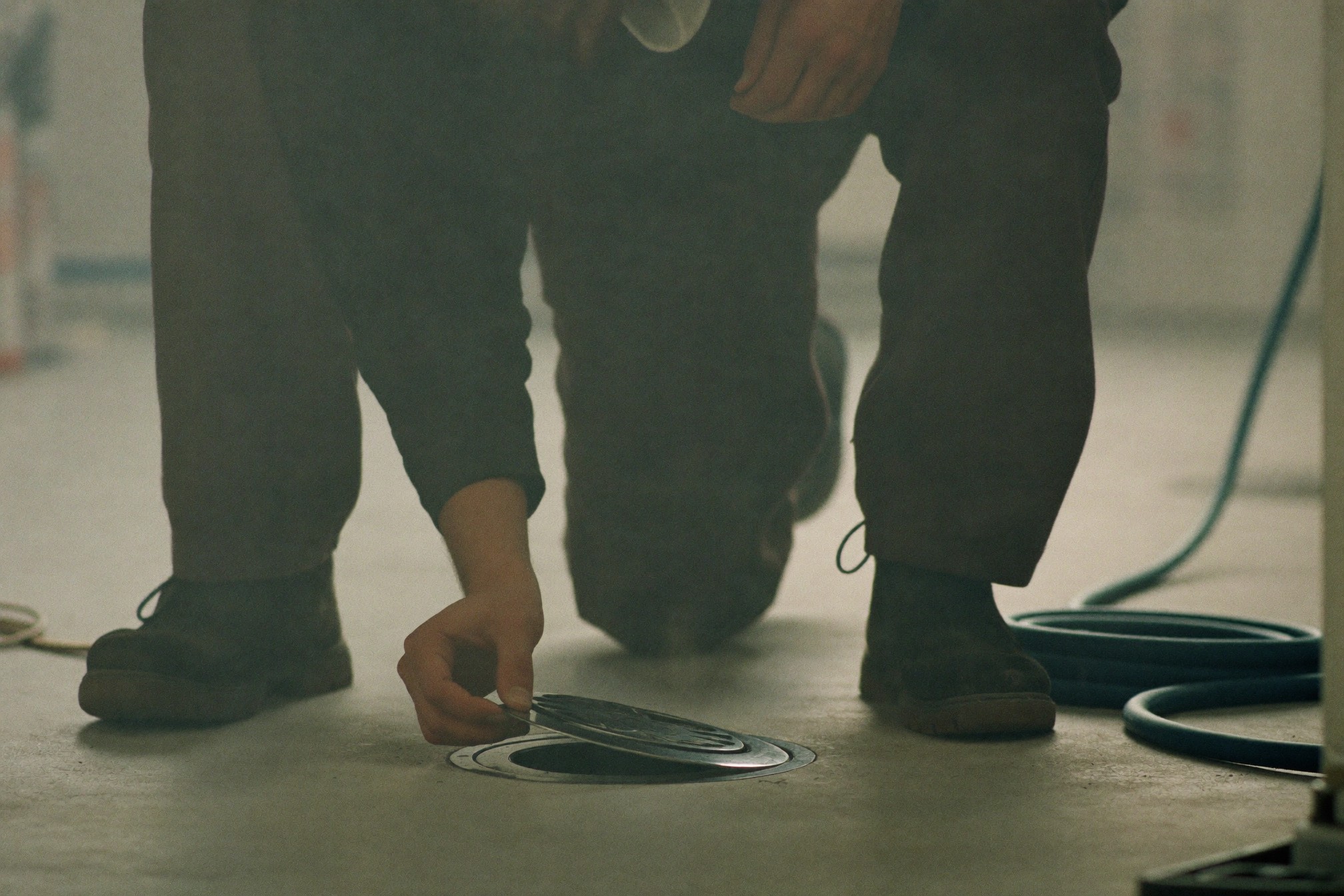
Backwater valve installed in the concrete slab of a basement
The backwater valve

It stops the municipal sewer from backing up into your home when the system overflows. A storm fills a street in ten minutes; without a valve, it fills your floor drain too.
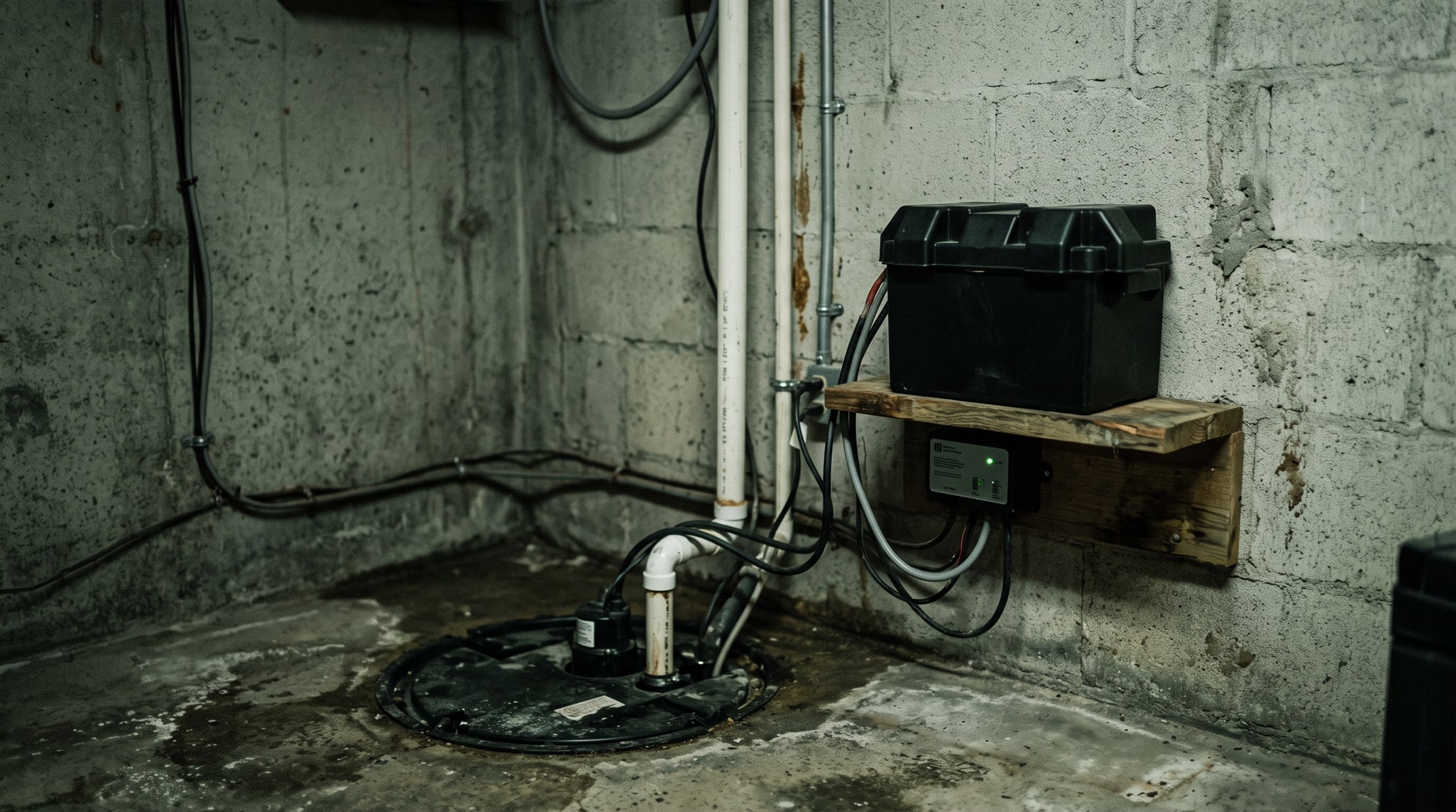
Battery and controller of a backup sump pump
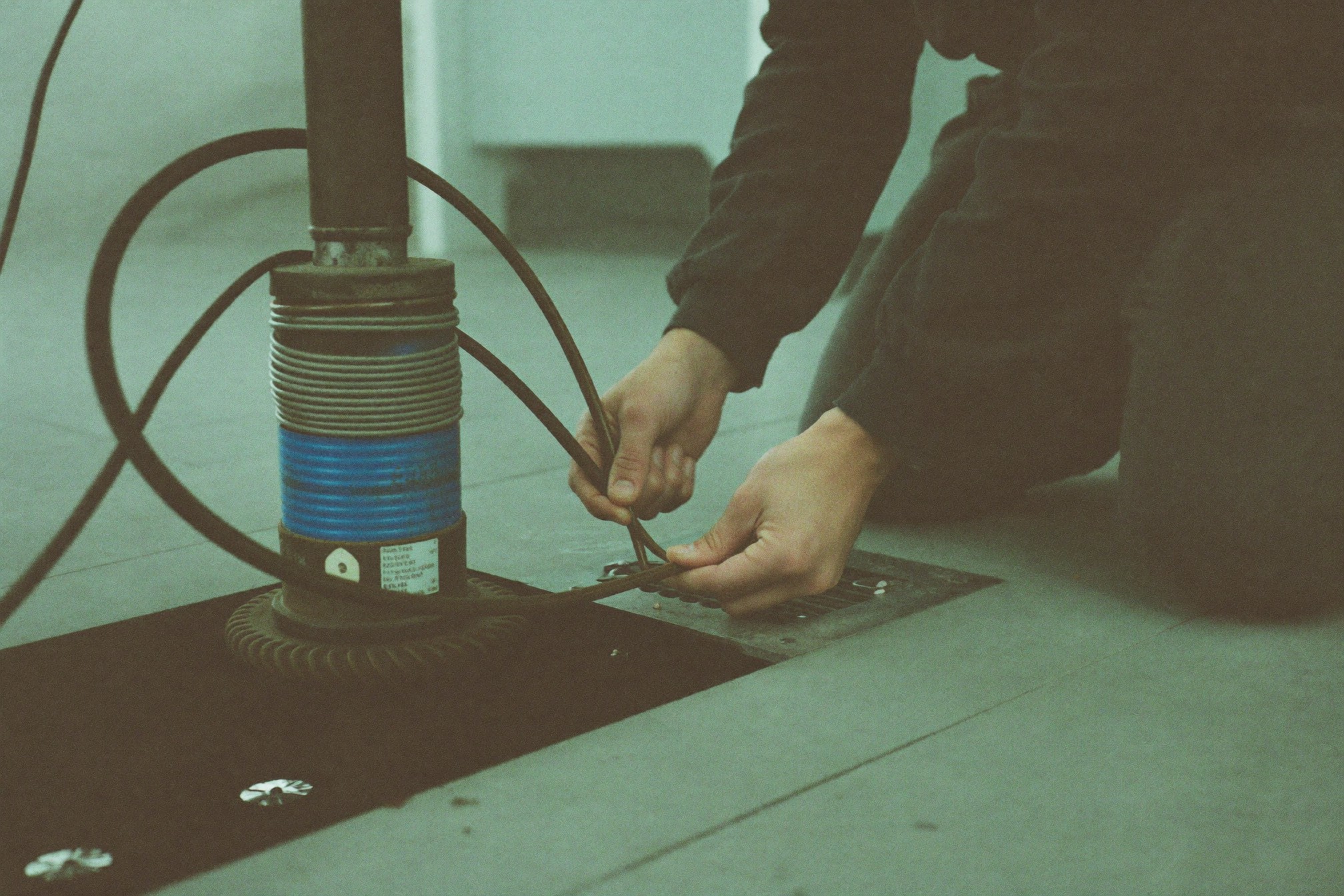
The backup pump

A second pump on a battery, which takes over when the power goes out. Heavy rains and outages come on the same night, and that's no coincidence.
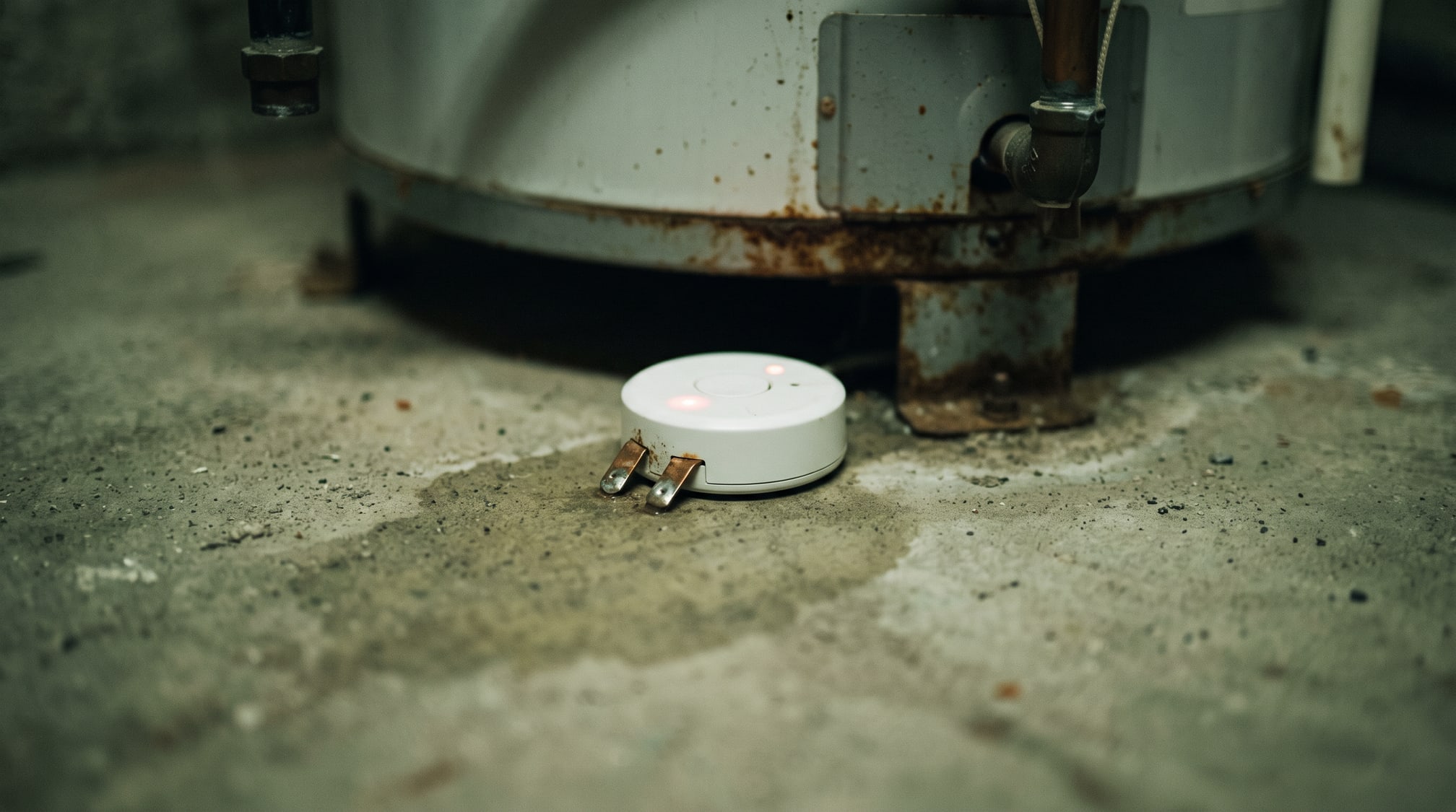
Leak detector placed on the floor near the base of a water heater
The water alarm

A small unit placed on the floor near the water heater or the washer, which sounds as soon as the concrete gets wet. It's the cheapest protection, and the one installed the least.
How it goes

We pump, we dry, then we look for where it got in.

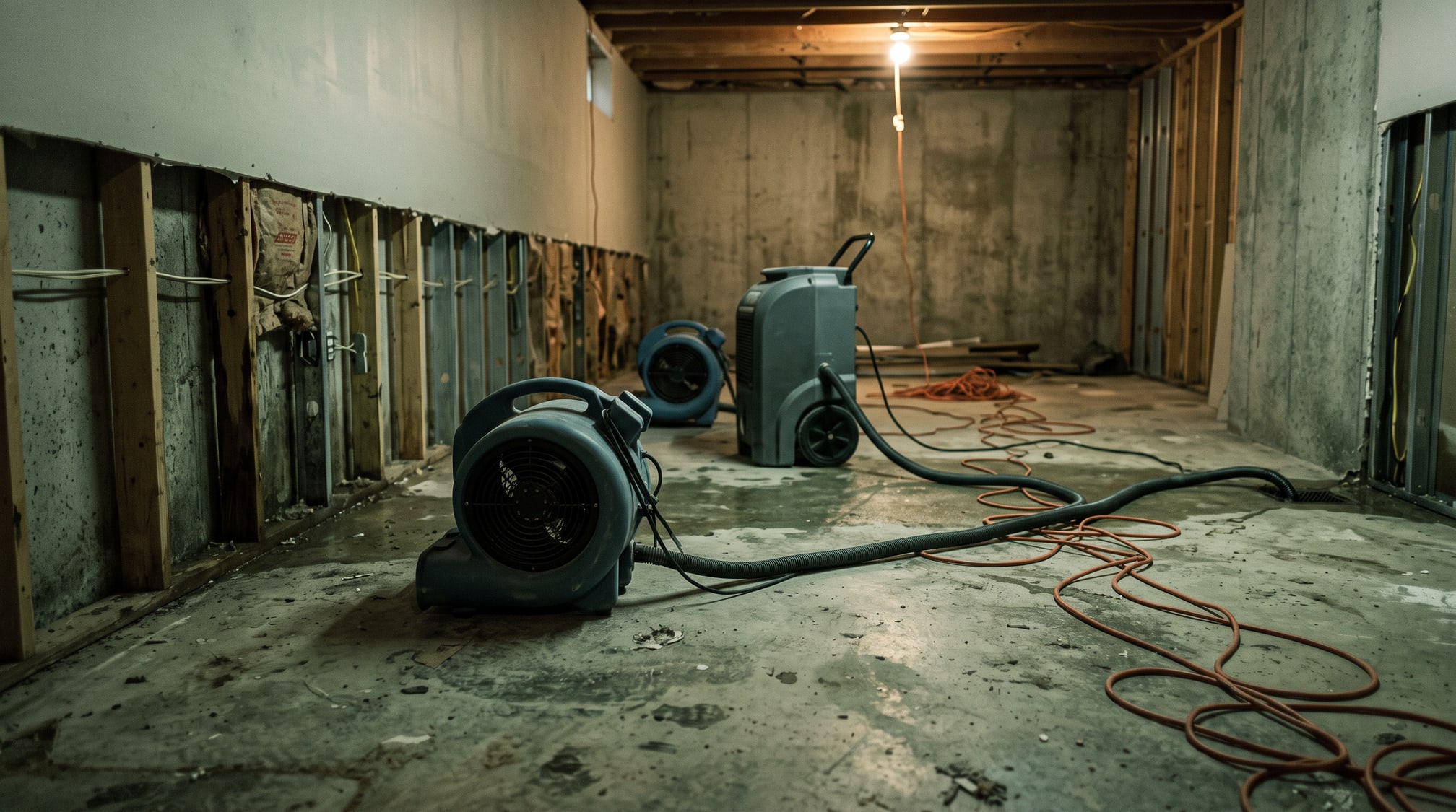
Drying fans and a dehumidifier in an emptied basement
  1. 01

    We assess over the phone

    Where the water is coming from, how high it's rising, whether there's electricity in it. That determines what we bring.

  2. 02

    We stop the inflow

    A valve, a pump, a sewer plug: as long as water is coming in, everything else is lost in advance.

  3. 03

    We pump and dry

    Our two pumps, and the time it takes. A basement that looks dry on the surface stays loaded with moisture for days.

  4. 04

    We document for your claim

    Photos of what was found, an invoice itemized line by line. The coverage decision belongs to your insurer, but it gets made on documents.

  5. 05

    We propose what prevents a repeat

    Pump, valve, backup battery, or sometimes simply a gutter to extend. We don't sell all four to everyone.

Insurance files

Your insurer is going to ask for proof. We know which.

  • Photos of what was found, before and after.
  • An itemized invoice, line by line.
  • A description of the cause, when we were able to establish it.
  • The inspection video, if a camera was used.

Insurers have been referring their clients to us for years. We document what we see, but the coverage decision belongs to your insurer, not to us: no one here will promise you a reimbursement. What we can promise is a file that won't be refused for lack of documents.
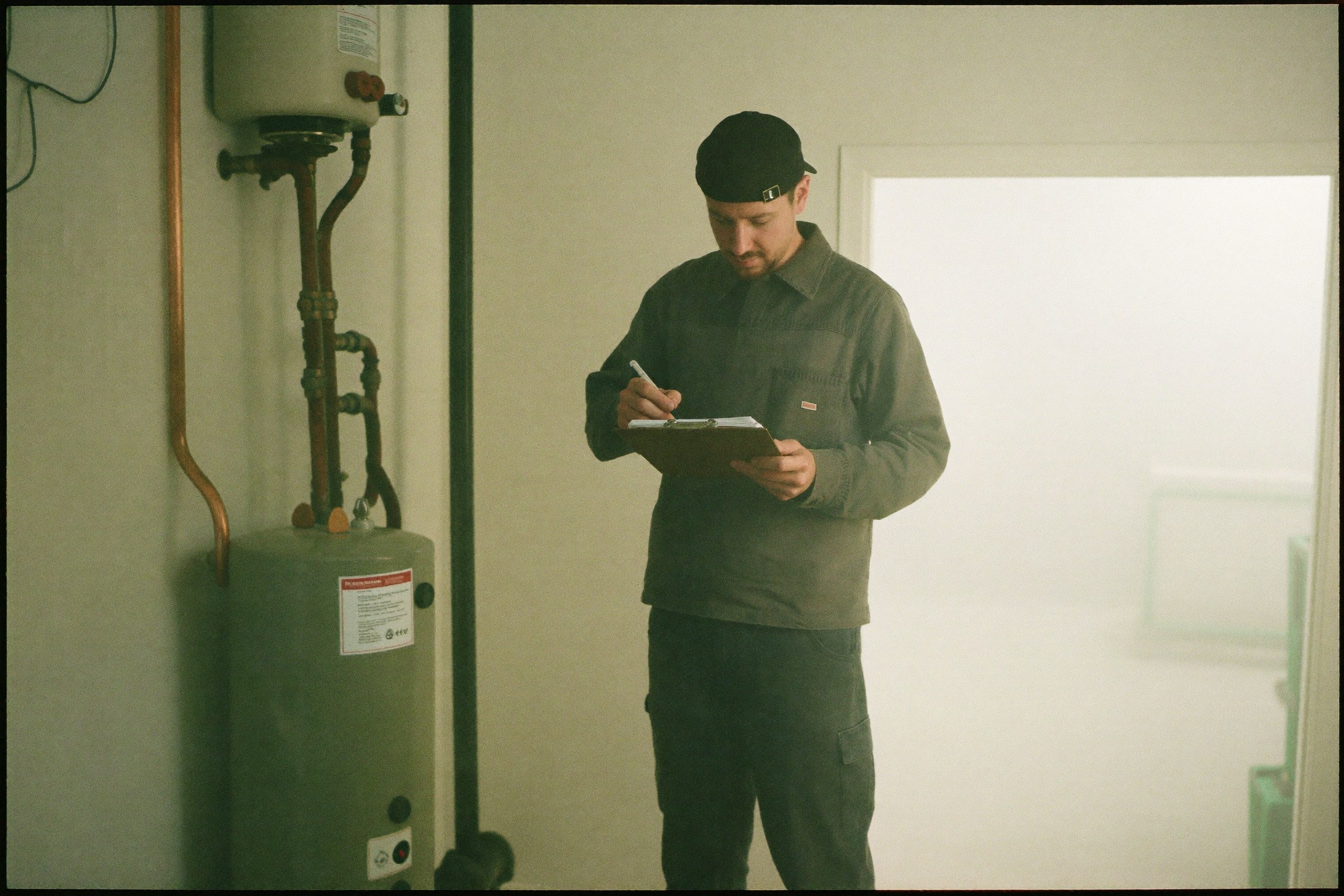
Insurance documents and an inspection report on a table
What comes next?

Once the basement is dry, the cause still has to be dealt with.

Frequently asked questions

Water damage, in five questions.

Before, once the situation is stabilized and the water is no longer rising. Some policies require notice before any work begins, and your claim starts with that call. If the water is still rising, call us first: stopping the inflow comes before the paperwork.

A few days in general, rarely less. Pumping takes hours; drying depends on what the concrete, the drywall and the insulation absorbed. A basement that feels dry to the touch after a day is still loaded with moisture, and that moisture is what causes the smells and the mould.

When the backup comes from the municipal sewer, it's the only thing that truly protects. During a major storm, the system fills faster than it drains, and the overflow looks for the lowest exit, often a basement floor drain. The valve closes that door. Several municipalities also offer financial assistance for its installation: it's worth checking with yours.

A pump gets checked once a year: pour a bucket of water into the pit and watch whether it starts, whether it drains and whether it stops on its own. A pump that hesitates, vibrates or is more than seven or eight years old deserves to be replaced before summer rather than during the storm.

We do the plumbing, the pumping and the drying. Rebuilding (drywall, flooring, paint) belongs to other trades, and your insurer often has its own contractors for that part. We tell you honestly where our mandate ends, and we document what's needed so the rest goes smoothly.

Let's start by finding out what's really going on.

Tell us the situation. You'll get a clear answer, realistic expectations and a solution suited to your home.