
There's water running, and you don't have time to read a website.

Call. We assess the priority with you, tell you what to do in the meantime, and head out when it's time to head out. The rest of this page can wait.
  • 450 293-6030we assess it with you
  • 8 a.m. to 5 p.m.Monday to Friday
  • 1 address1401 rue Saint-Paul, Farnham
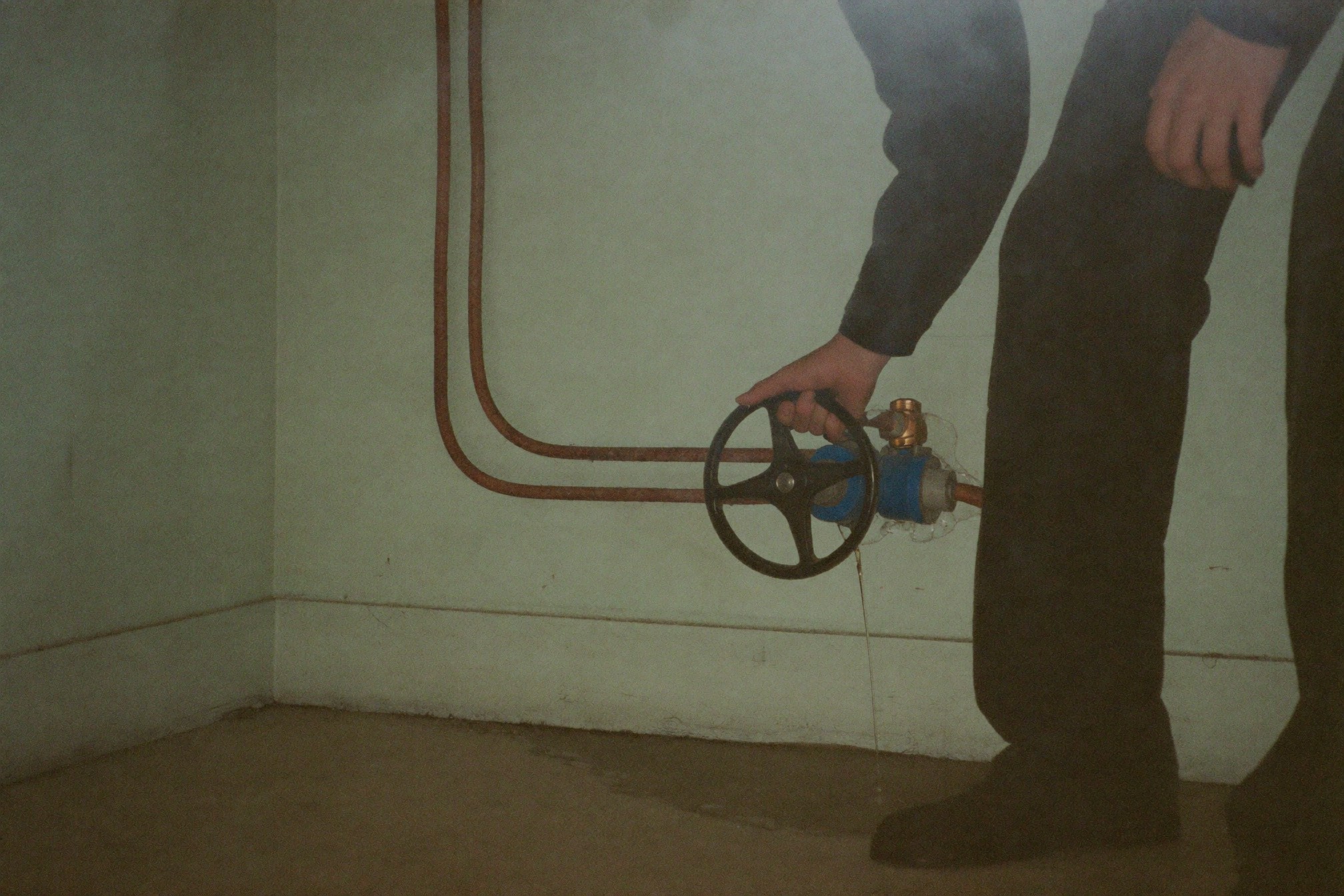
Plumber closing the main water valve in a basement
Sound familiar?

The real question isn't how bad it is. It's whether it can wait until tomorrow.

  • A pipe gave way and the water won't stop.
  • The basement is filling up and you don't know where it's coming from.
  • The sewer is backing up into the floor drain.
  • The water heater is leaking and the puddle is growing before your eyes.
  • A pipe is frozen and you're afraid it will burst when it thaws.

These five situations don't carry the same urgency, and that's exactly what we assess with you on the phone. Some mean we leave right away. Others stabilize in thirty seconds with a valve, and save you an emergency visit.
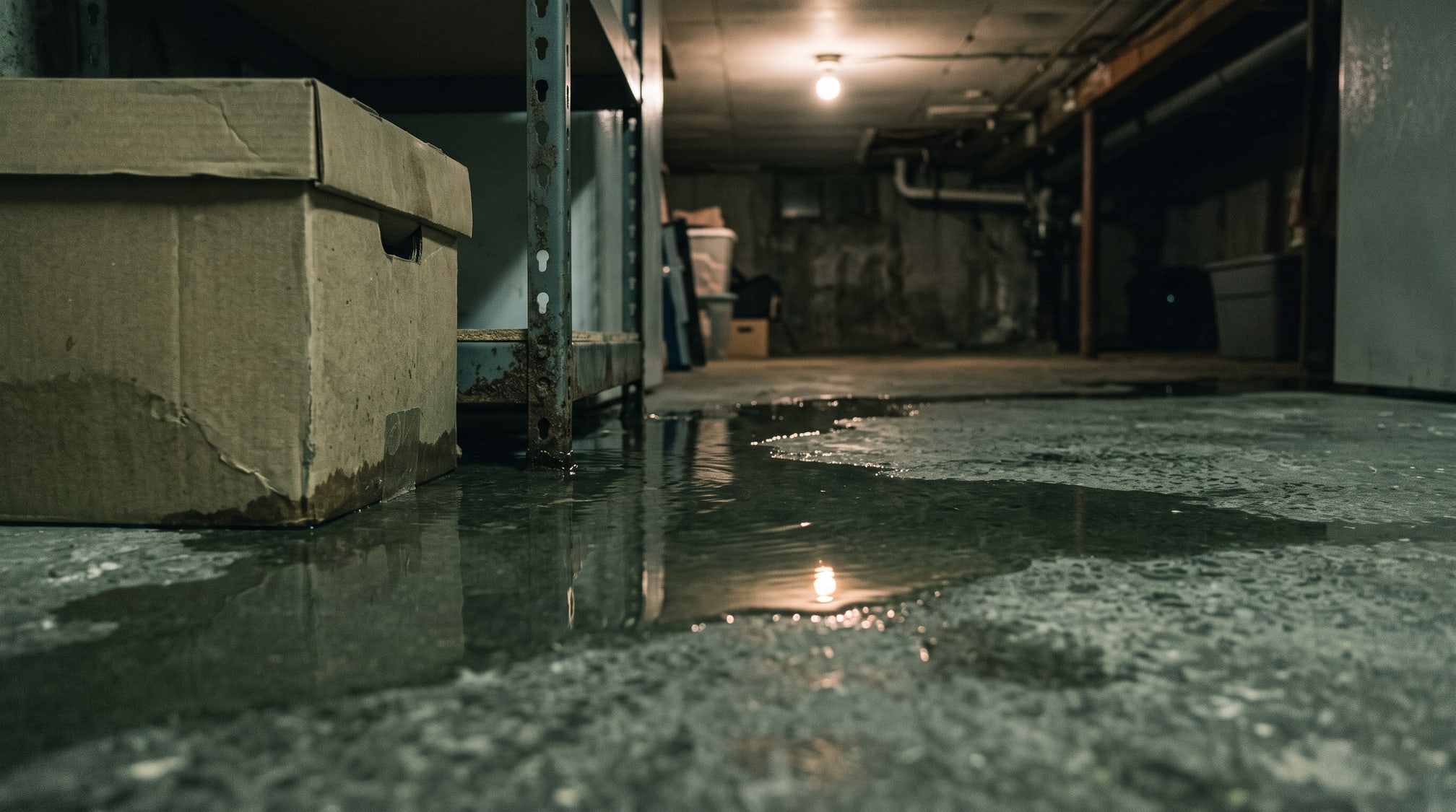
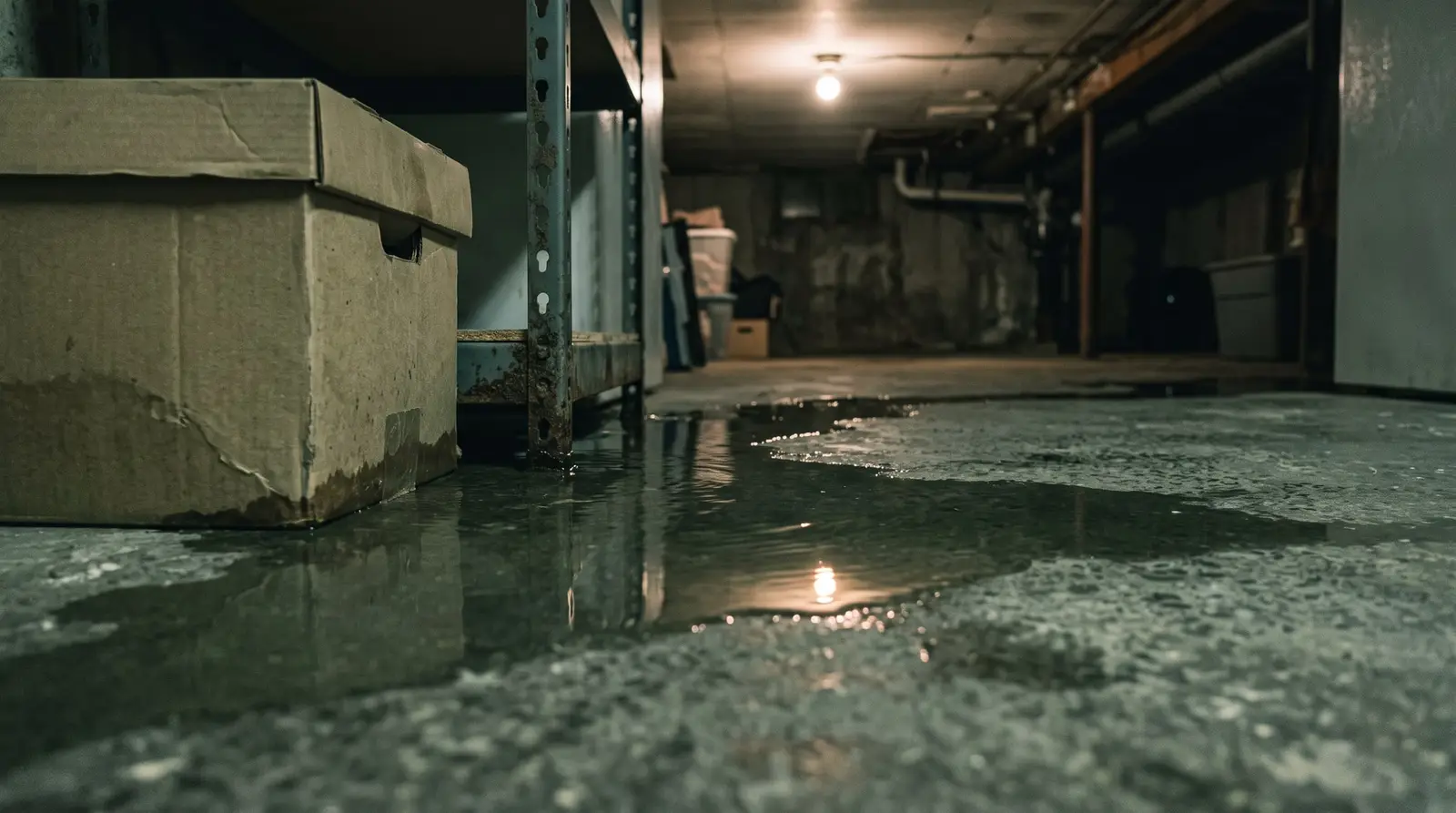
A sheet of water spreads across the concrete floor of a basement
Before we arrive

Four steps, in this order.

  1. Shut off the water supplyThe main valve is almost always in the basement, on the street side, where the pipe enters the house. A quarter turn, and everything else becomes a lot less pressing.
  2. If it's the water heater, close its supplyThe valve is on top of the tank, on the cold water side. Don't touch the electrical panel and don't drain anything yourself: what's inside is scalding.
  3. If there's electricity in the water, step backAn extension cord, an outlet, a baseboard heater or an appliance sitting in water: don't go near it and don't mop it up. Leave the room and call us from upstairs.
  4. Take photos before cleaning upTwo or three photos of what you see, right away. Your insurer will ask for them, and you won't get another chance once the room is mopped.

These steps don't replace a plumber. They buy you the twenty minutes that separate damage from a disaster.

Call us now →
How it goes

We assess with you, then we stabilize.

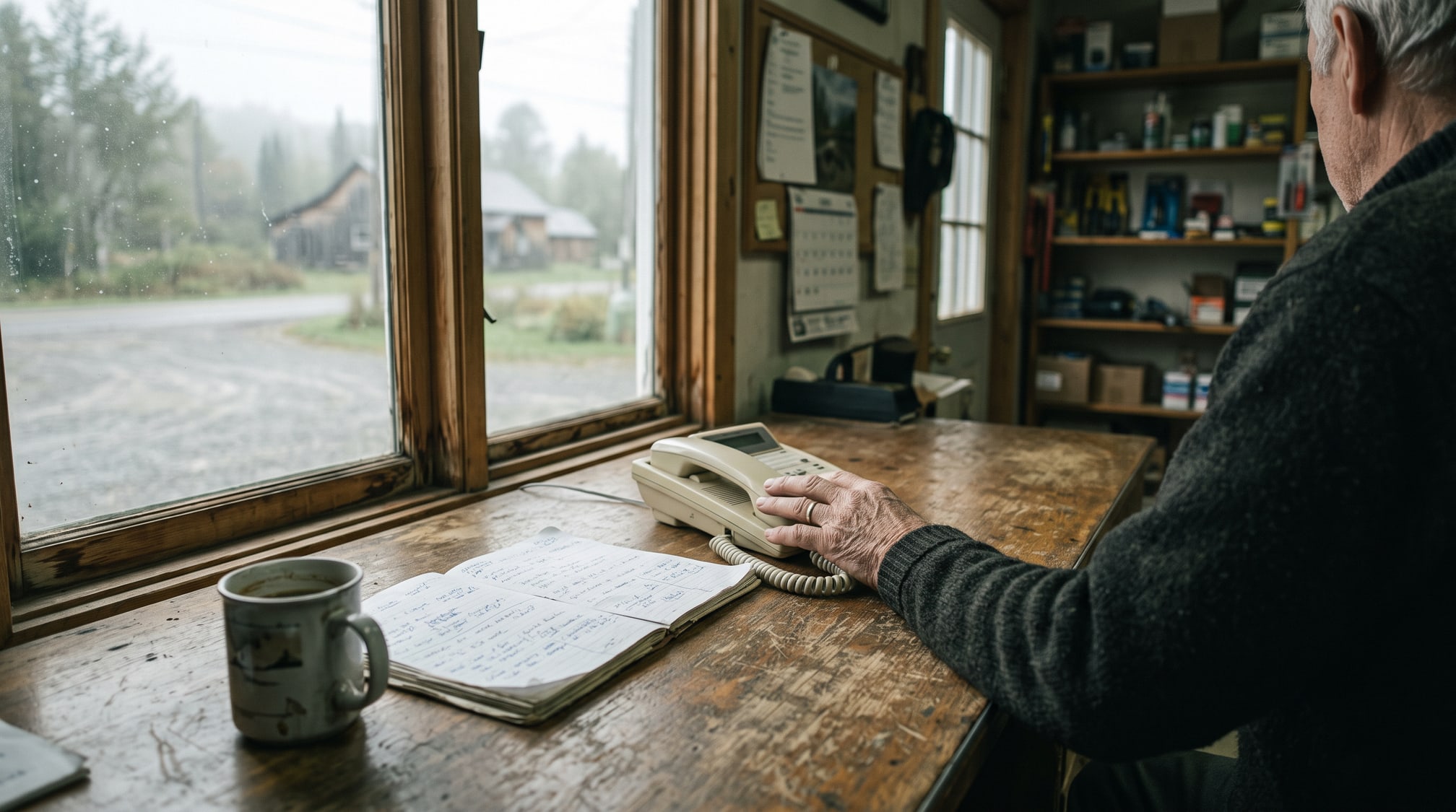
The phone at the Farnham office, where every call is assessed
  1. 01

    You call and describe

    What you see, where, since when. Three or four questions are usually enough to settle it.

  2. 02

    We give you an honest read on the priority

    If we need to leave right away, we leave. If it can wait until tomorrow morning without damage, we tell you, even if it pays us less.

  3. 03

    We tell you what to do in the meantime

    Which valve to close, what to move away, what not to touch. Often, that stops the bleeding before we even arrive.

  4. 04

    We stabilize on arrival

    Stop the water first, understand second. The permanent repair comes after, once nothing is getting worse.

  5. 05

    We document what we saw

    Photos, itemized invoice, description of what was found. It's what your insurer will ask you for.

What we don't claim

We're not open 24 hours a day. We'd rather tell you up front.

  • The office answers Monday to Thursday, 9 a.m. to 5 p.m.
  • The plumbers are on the road Monday to Friday, 8 a.m. to 5 p.m.
  • Every call is assessed, and genuine emergencies go first.
  • When we can't come right away, we say so and explain what to do.

We'd rather announce our hours and keep them. Every call is assessed, genuine emergencies go first, and when the situation can wait until the next day without damage, we explain how to stabilize it until then. You always know exactly what to expect.
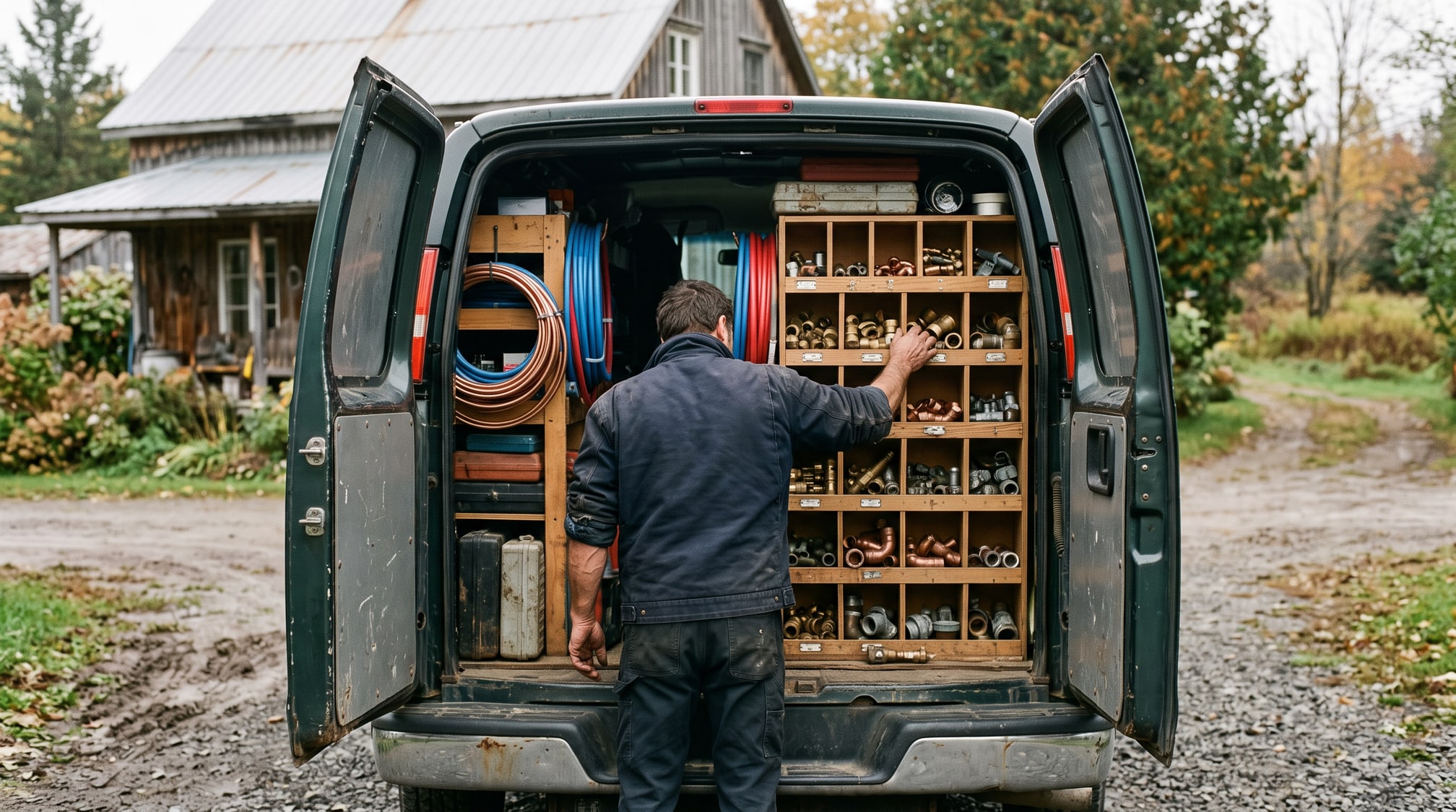
The storage compartments of a plumbing truck, open in a country driveway
What comes next?

Once the water is stopped, there's still the why to figure out.

Frequently asked questions

Emergencies, in five questions.

We don't claim to be available around the clock. We do assess every call and prioritize genuine emergencies according to our availability. When the problem can be stabilized, we explain what to do in the meantime, and that often takes care of the night.

Almost always in the basement, on the street side, where the pipe enters the house. It has a lever or a wheel, and often a meter right next to it. Find it on a day when everything is fine, and turn it once: a valve that hasn't moved in twenty years seizes up, and the middle of a leak is not when you want to find out.

The math is the same: time spent and distance travelled, at the applicable rates. What drives up an emergency invoice isn't a penalty, it's the extra work that damage leaves behind. Call us: we give you the rates before heading out.

The decision belongs to your insurer, not to us, and no one here will promise you a reimbursement. What we can do is document: photos of what was found, an invoice itemized line by line, a description of the cause. Take your own photos before cleaning up too: it's the reflex that helps claims the most.

Open the nearest faucet to give the water a way out, warm the room gently, and never bring a flame near a pipe. Find your main valve while you have the time. Then call us: a pipe that froze once will freeze again, and the real fix is often in the insulation, not the pipe.

Let's start by finding out what's really going on.

Tell us the situation. You'll get a clear answer, realistic expectations and a solution suited to your home.