
A drain doesn't clog all at once. It fills up, quietly, over years.

Cleaning, flushing and a schedule suited to your lot. It's the least spectacular service we offer, and the one that avoids the two most expensive.
  • Flushingback to the original diameter
  • Suited scheduleto your lot
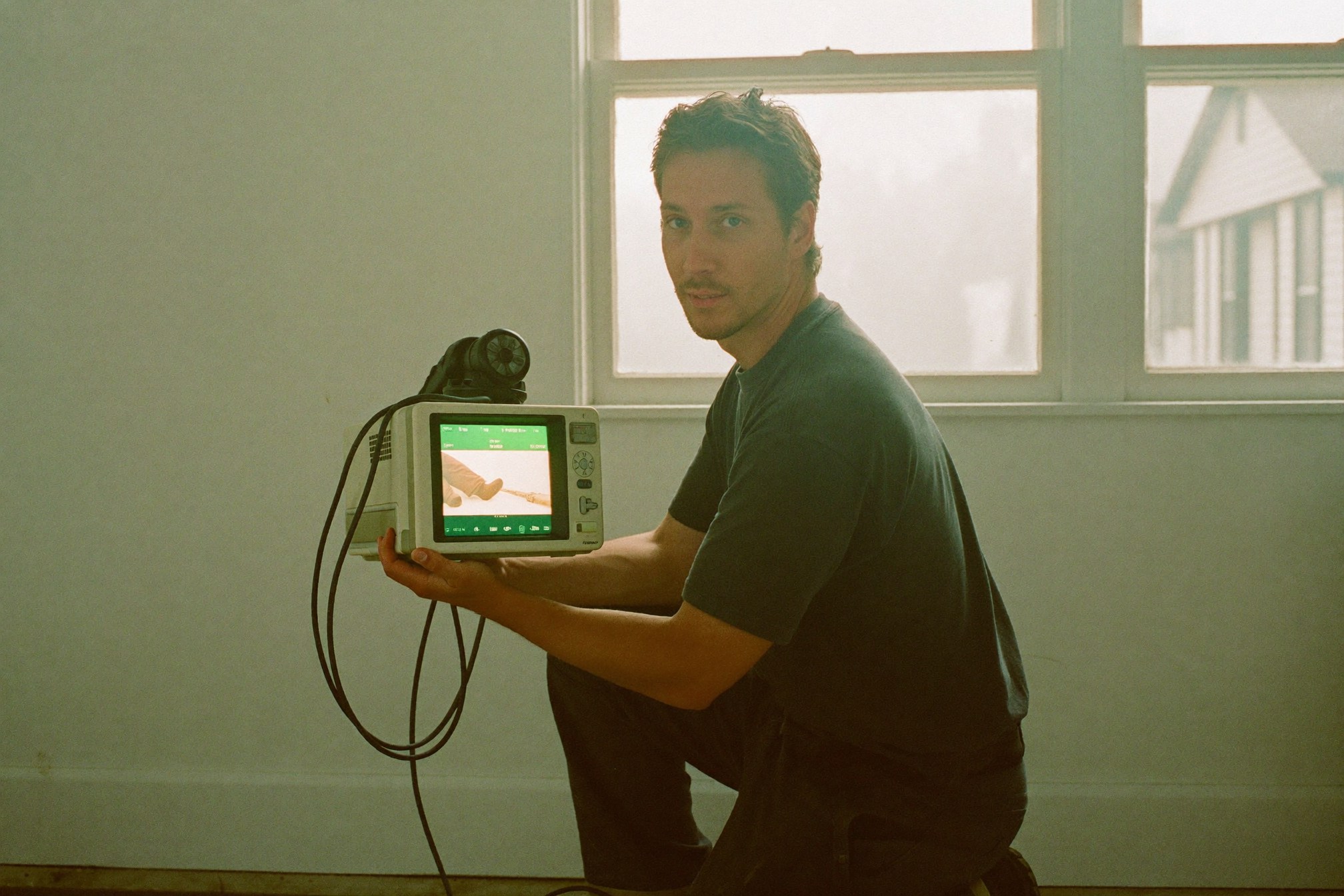
  • Camera as neededbefore and after
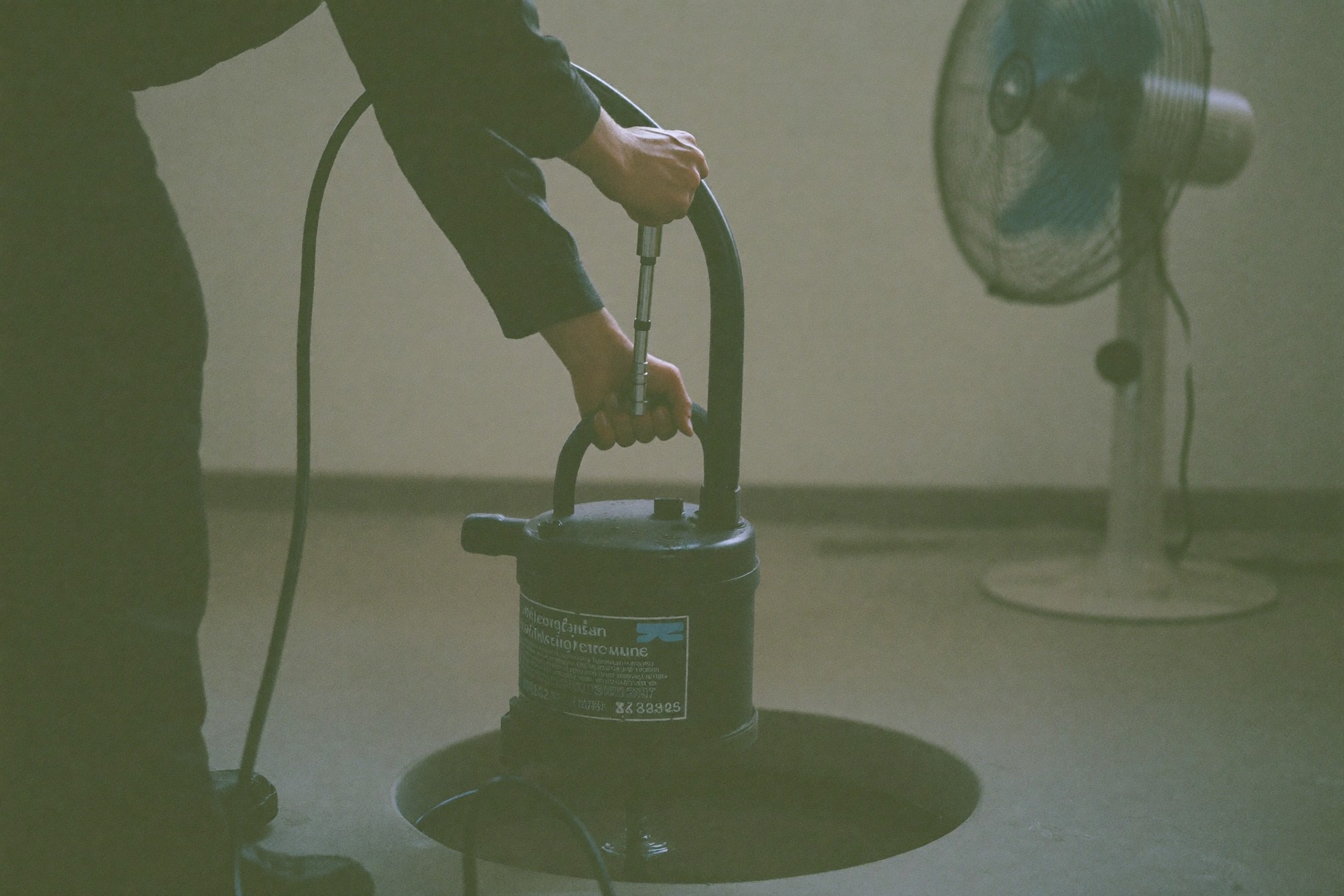
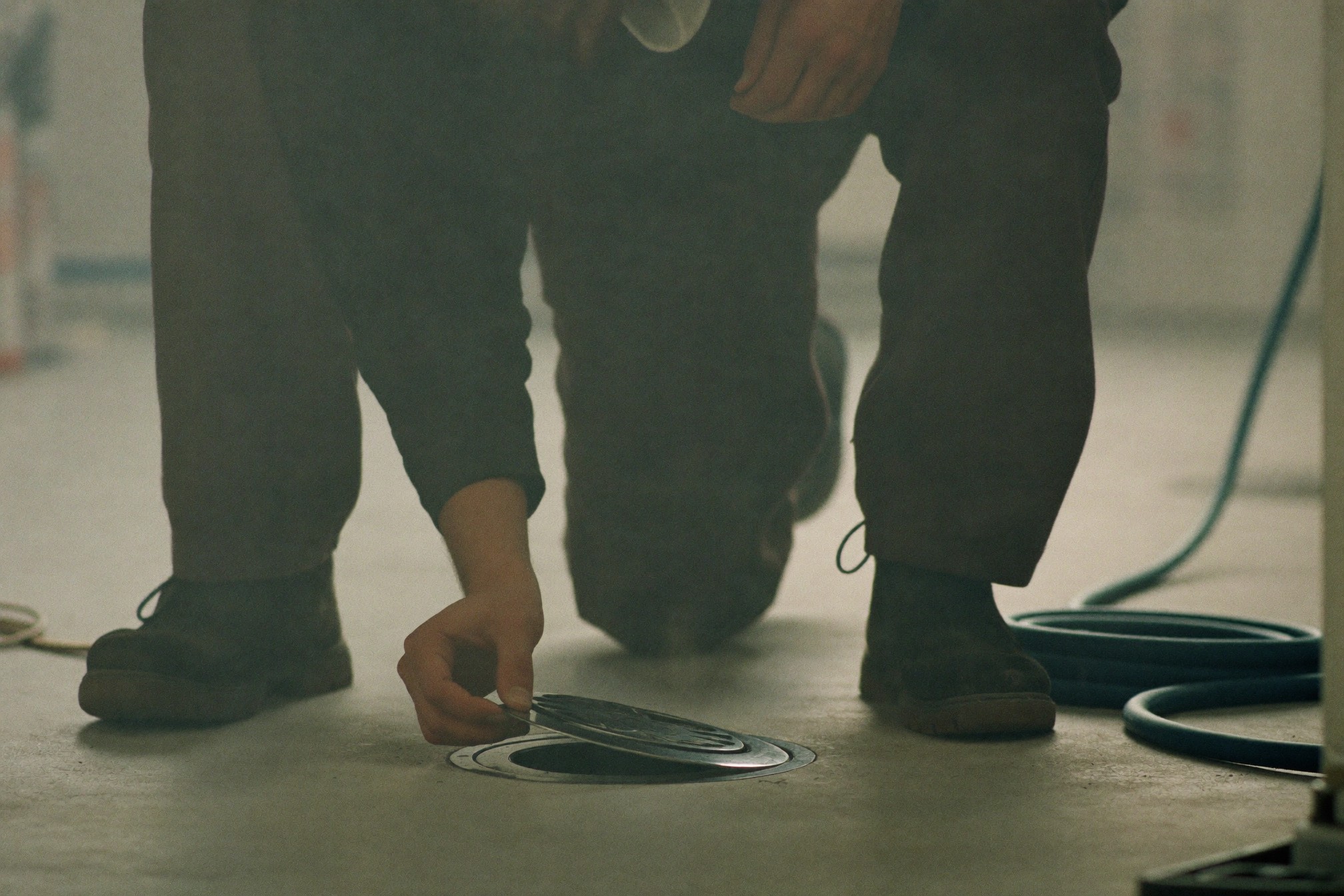
Preventive drain maintenance, opening the cleanout
Sound familiar?

The real problem with a French drain is that it never complains.

  • You don't know where your house's cleanout access is.
  • Nobody has opened it since the house was built.
  • The basement is a little damper every spring.
  • The house is more than twenty years old and the drain is the original one.
  • A neighbour had theirs redone last year.

A French drain has no warning light. It does its job at eighty percent, then fifty, then twenty, and nobody notices until the day water shows up in the basement. At that point, it's no longer maintenance you're paying for, it's an excavation.
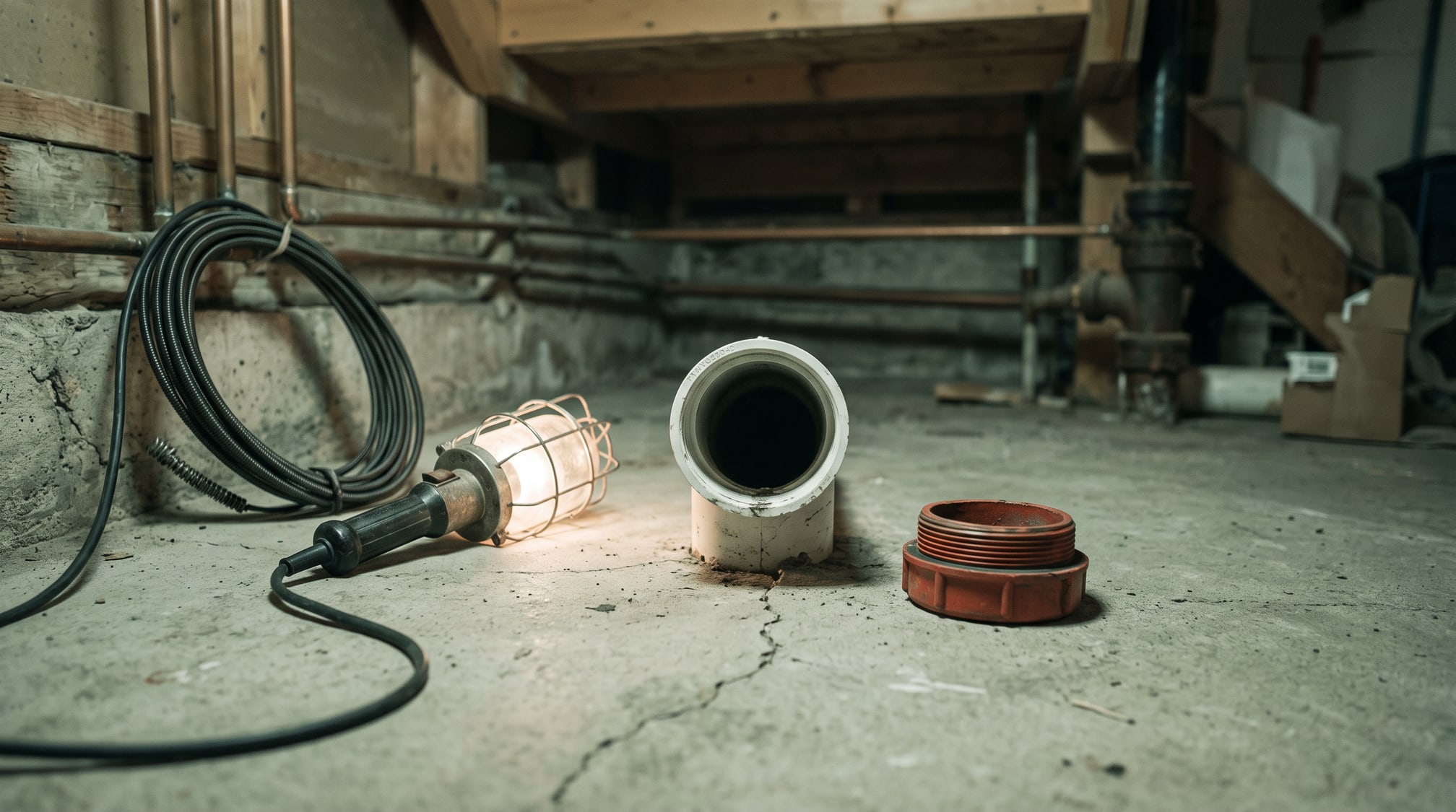
Open cleanout in a basement, cap unscrewed
What flushing removes

Here's what builds up in a drain nobody ever touches.

A perforated French drain is made to let water in. The trouble is that everything the water carries comes in with it. Here's what we take out of it, and what a pipe looks like once it's clean.
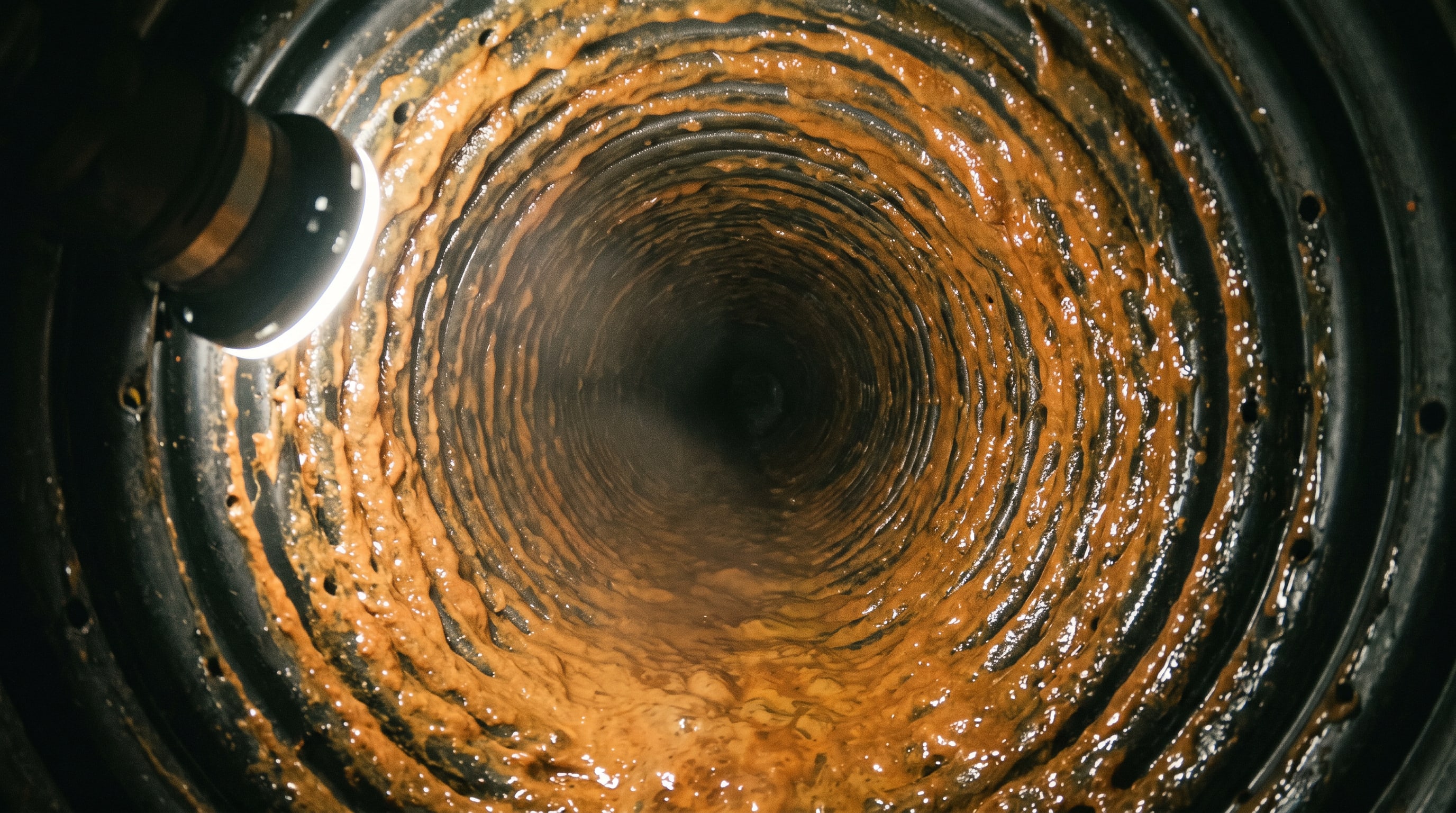
Camera view: orange iron ochre deposit in a perforated French drain
Iron ochre

An orange, slimy iron deposit left by a soil bacteria. In some areas, including Sainte-Sabine, it can fill a pipe in five years.
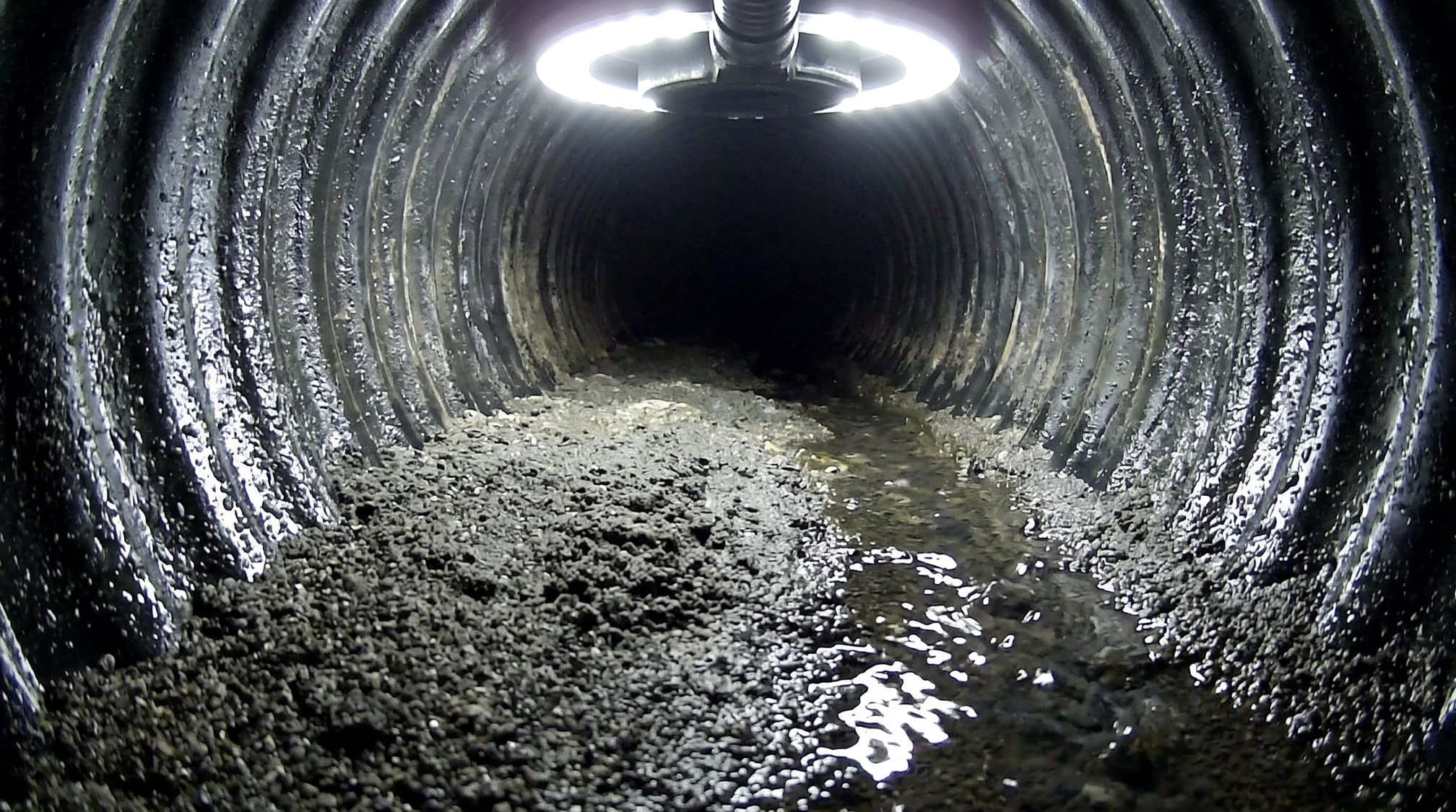
Camera view: bed of sand and fine soil at the bottom of a pipe
Sand and fine soil

What the membrane lets through as it ages or tears. It settles at the bottom, hardens, and the pipe fills up from below.
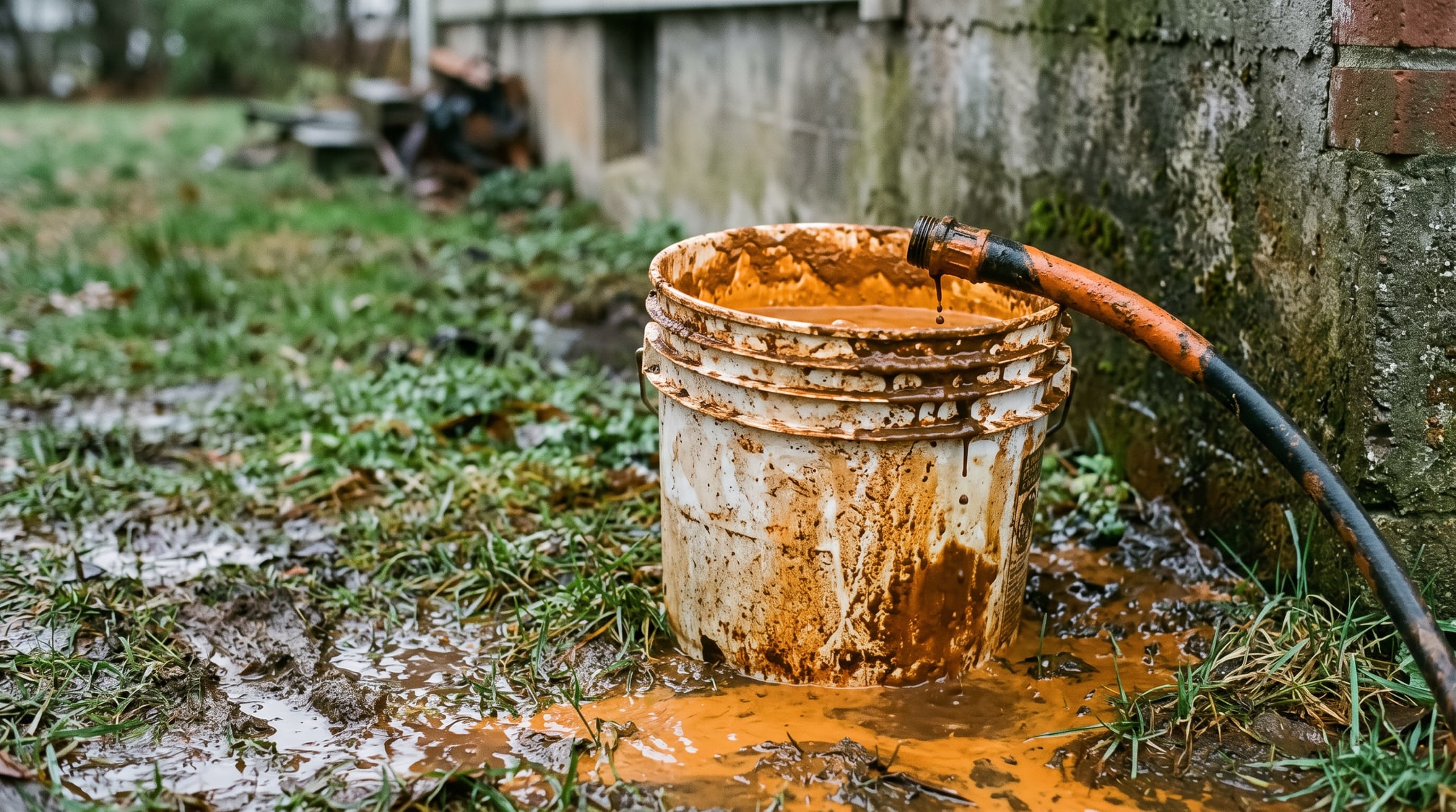
Bucket full of iron ochre deposit removed from a foundation drain
What comes out

A bucket, sometimes several, for a single house. It's what should have been flowing around your foundation and was sitting in the pipe instead.
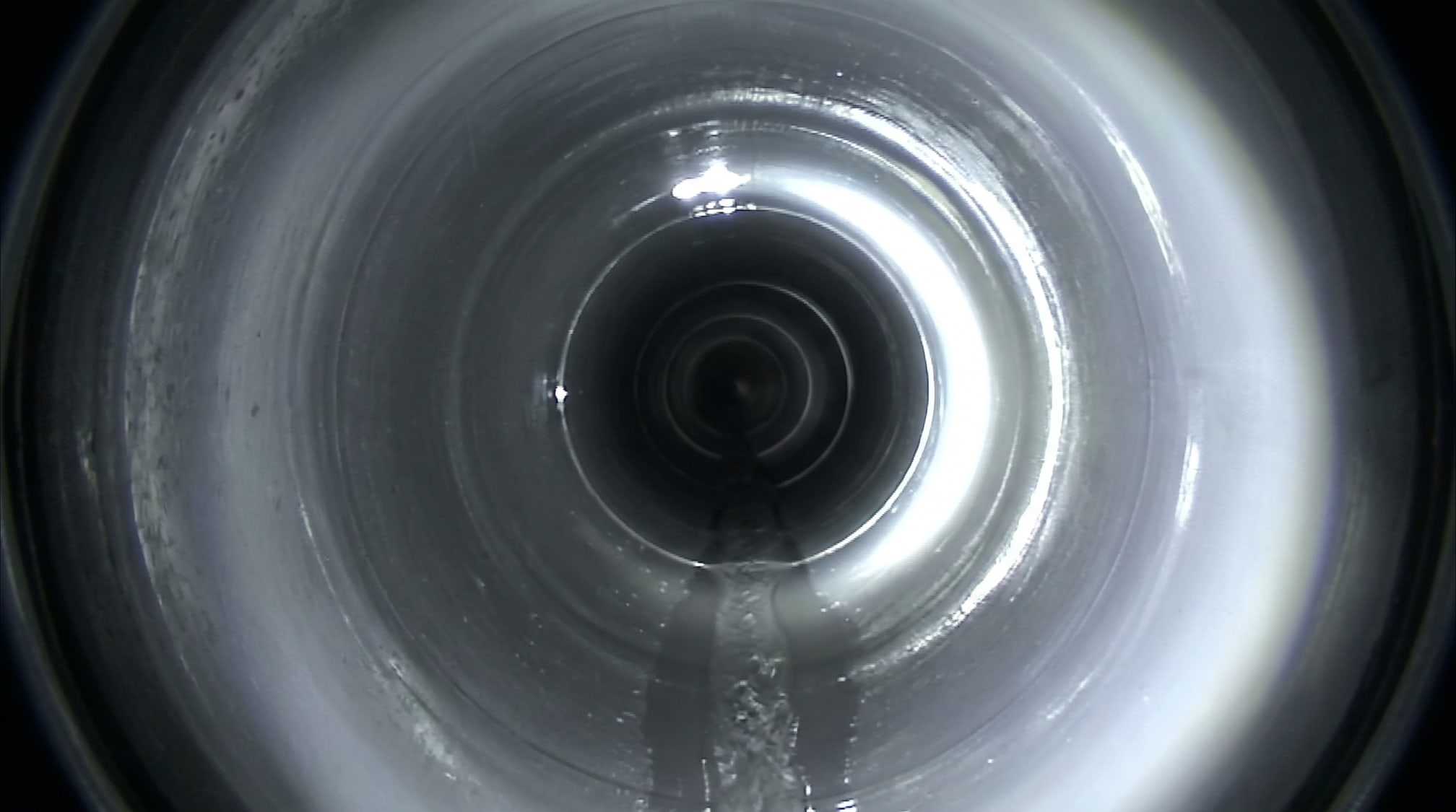
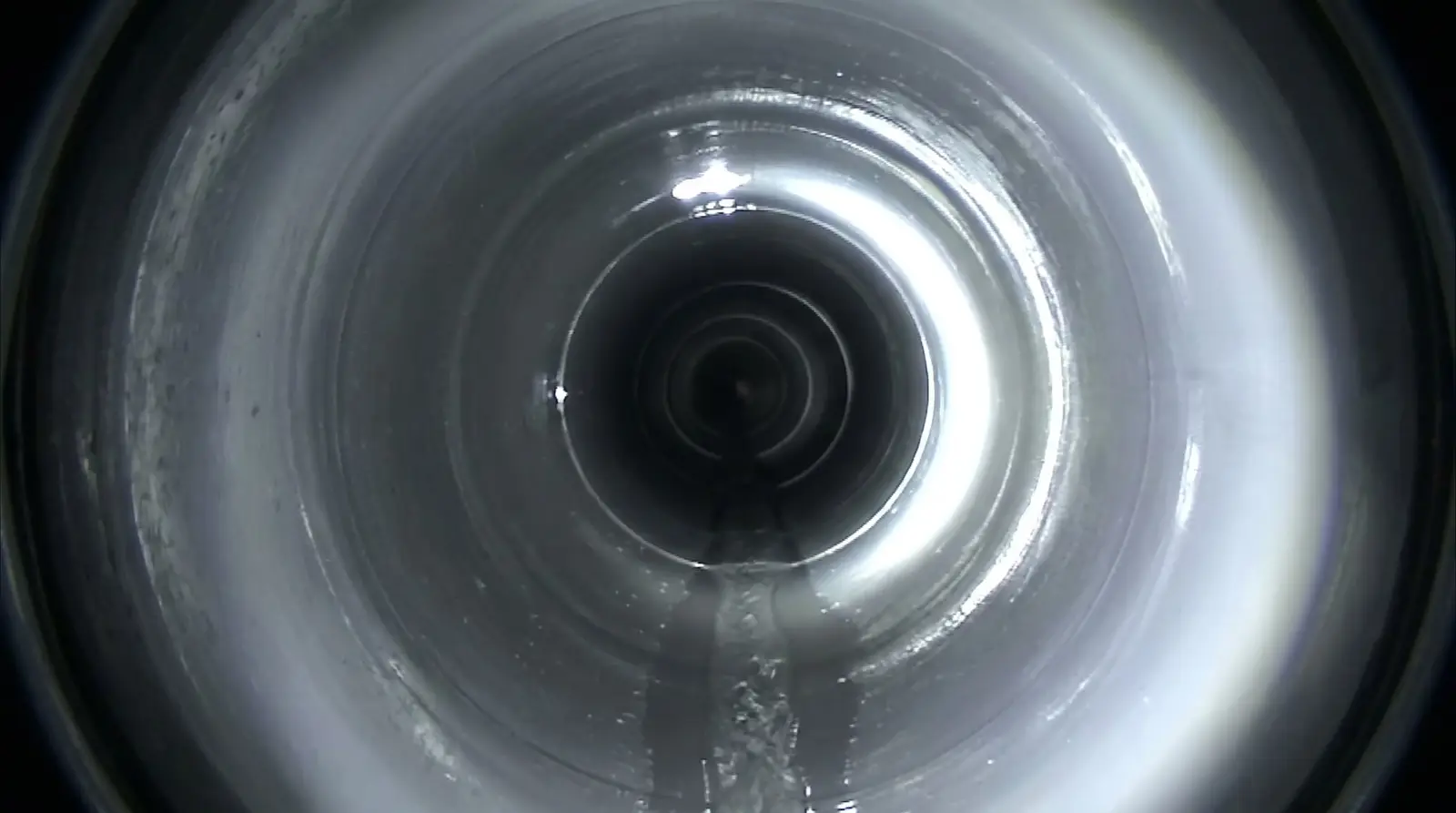
Camera view: cleaned pipe, bare wall and a trickle of water at the bottom
After flushing

The wall is bare, the water runs, and the drain is back to doing the job it was buried for.
How it goes

Half a day, and you're set for years.

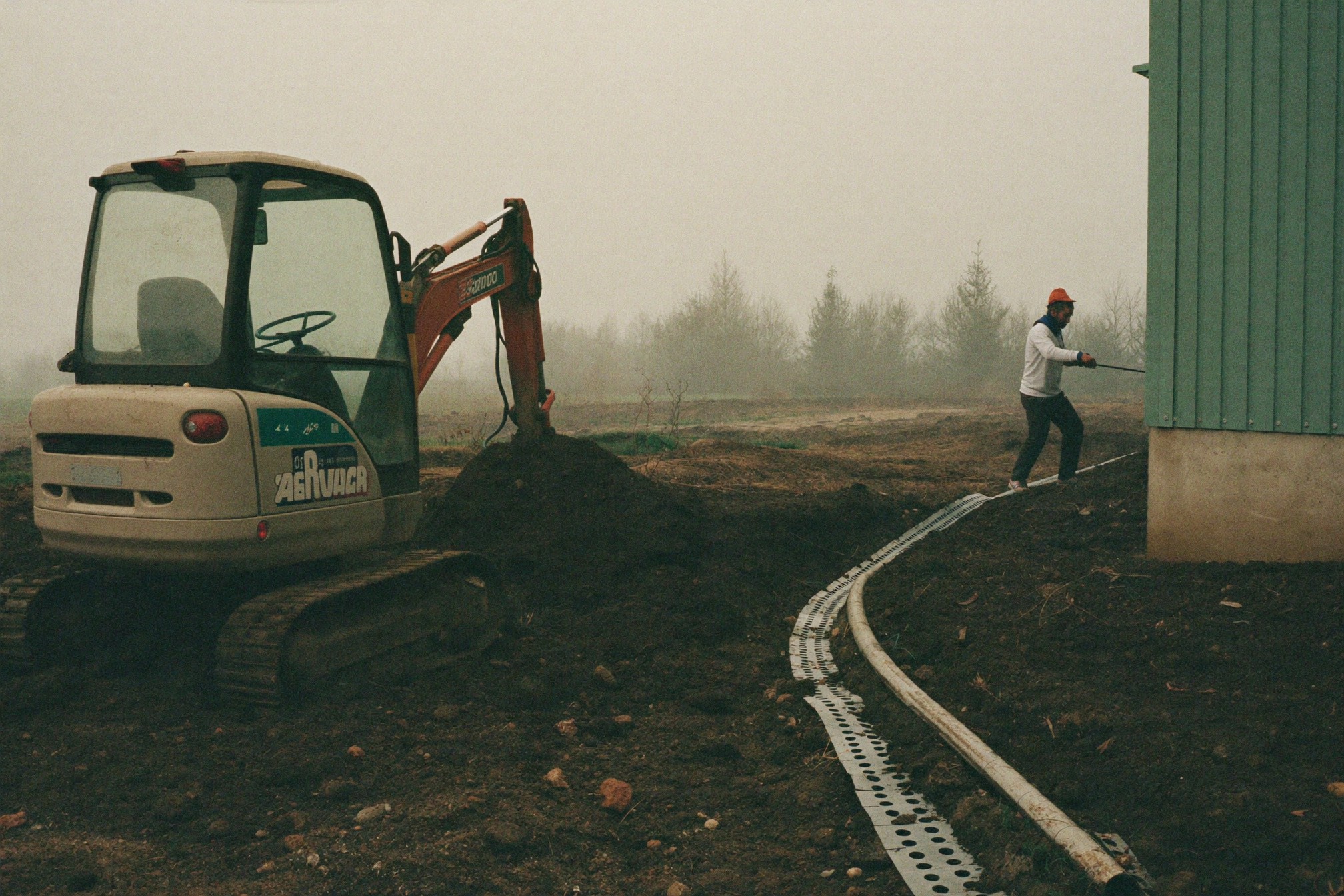
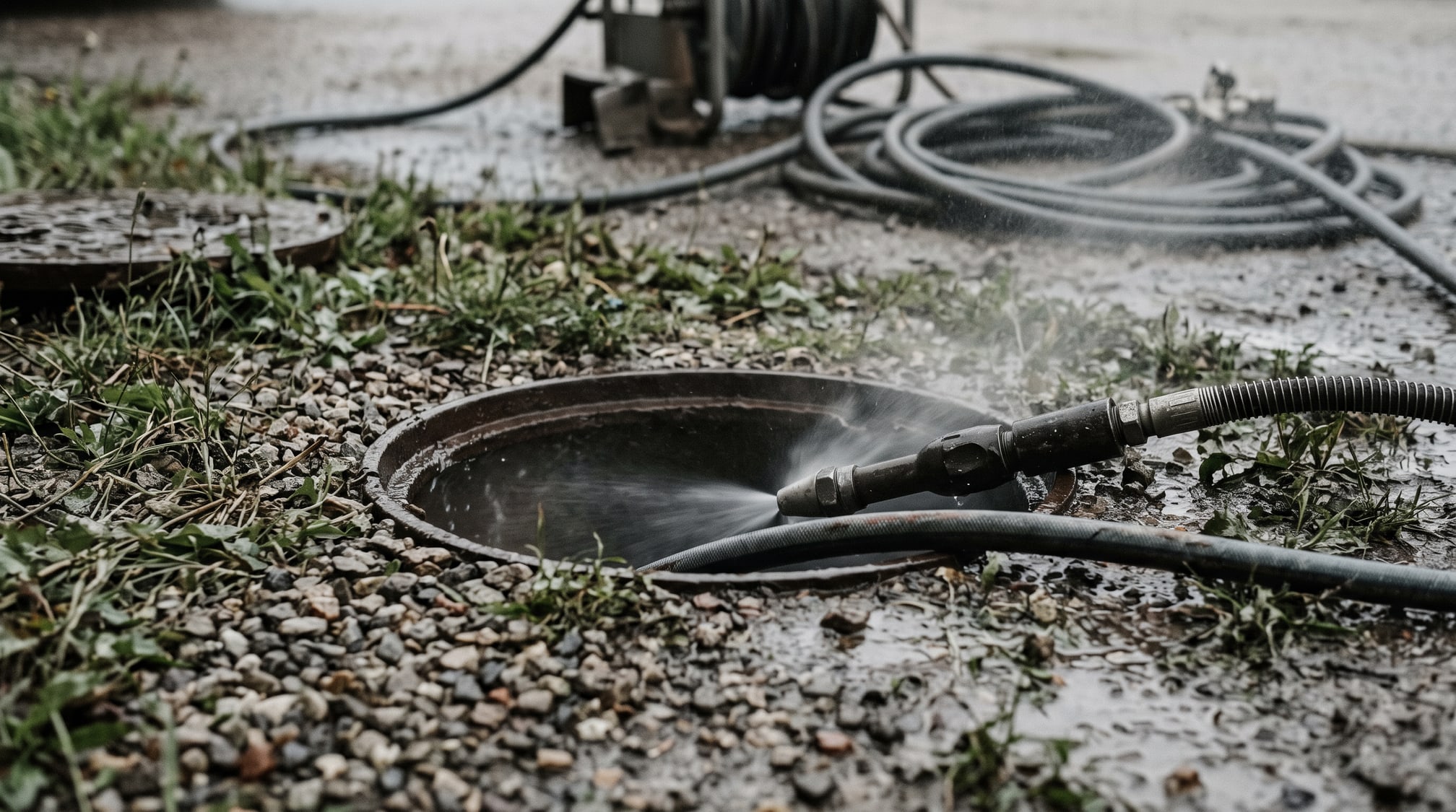
High-pressure flushing nozzle at the entrance of an outdoor cleanout
  1. 01

    We find the access

    Cleanout in the basement or an outdoor access. On a house that doesn't have one, we install one: it's what makes any future maintenance possible.

  2. 02

    We look first

    Camera in the pipe when it's warranted. We want to know whether it's a deposit to flush or a pipe defect that no cleaning will fix.

  3. 03

    We pressure flush

    High-pressure water that washes the wall around its entire circumference, and not just a hole through the middle of the deposit.

  4. 04

    We check afterwards

    A second camera pass. You see the difference with your own eyes; it isn't us telling you about it.

  5. 05

    We set the frequency

    Based on what we found and on your lot. In an iron ochre area, it isn't the same as elsewhere, and we tell you which of the two is yours.

The price

Maintenance costs a fraction of what it avoids.

  • What's countedWorking time and the flushing itself. A drain maintained regularly cleans faster than a drain left for twenty years: the first time is always the longest.
  • What gets addedThe camera inspection when it's warranted: $350, which includes locating and a video copy. And the installation of a cleanout access, if the house doesn't have one.
  • What costs nothingThe frequency we recommend. It depends on your lot, and sometimes the right answer is “not before three years.” We give it anyway.

A flush costs a fraction of an excavation. That's the whole argument, and there is no other.

Have my drain checked →
The warranty

It's maintenance that makes a long warranty possible.

  • A drain checked in time never reaches a blockage.
  • A clean pipe takes heavy rains without putting the foundation under pressure.
  • A permanent cleanout access makes every visit shorter.
  • A camera run before and after documents the real condition, year after year.

It's the question we get asked most often: why pay for maintenance if the drain is under warranty? Because maintenance is precisely what makes such a long warranty possible. A drain checked and cleaned in time never reaches a blockage, and flushing costs a fraction of a redo.
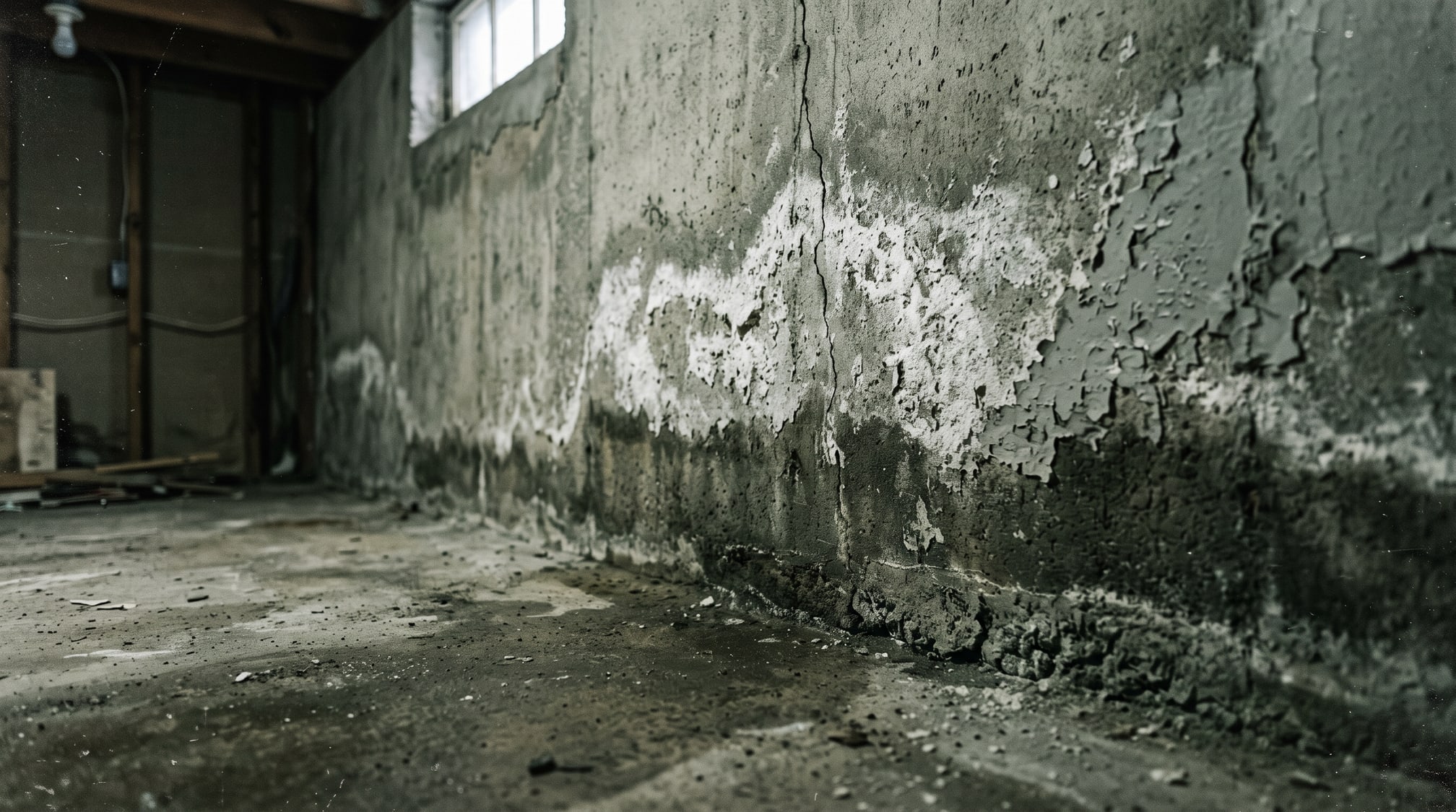
Moisture stain at the base of a foundation wall, exactly what maintenance prevents
What comes next?

When maintenance is no longer enough, we tell you before you find out.

Frequently asked questions

Drain maintenance, in five questions.

There's no single answer, and be wary of anyone who gives you one over the phone. In ordinary soil, a few years between flushes is enough. In an area where iron ochre is present, the interval is counted in months rather than years. It's the real condition of your pipe that sets the frequency, not a package.

Because maintenance is what makes such a long warranty possible. A drain checked and cleaned in time never reaches a blockage, and flushing costs a fraction of what a redo costs. A warranty covers a defect, not a pipe that was left to fill up for twenty years.

We install one. Many houses built before the nineties never had one, and without an access, no maintenance is possible: you'd have to dig every time. The installation is done once, and it's what makes every following visit affordable.

It's the right question to ask, and that's why we look first. A pipe that's already cracked, crushed or collapsed doesn't get flushed: we see it on the camera, and we tell you honestly that cleaning won't fix anything. On a sound but fouled pipe, flushing is harmless and gives it back its diameter.

The usual clues are orange water coming out of the drain, a slimy rust-coloured deposit in the cleanout, and neighbours who have already had their drain redone. The phenomenon is common in some areas of the region, including Sainte-Sabine. A camera inspection settles it in two hours, and it completely changes the maintenance schedule we'll recommend.

Let's start by finding out what's really going on.

Tell us the situation. You'll get a clear answer, realistic expectations and a solution suited to your home.